What EPR E waste Management rules says
08 Jan 2026 | EnviroXperts TeamIn India, EPR (Extended Producer Responsibility) e-waste rules were introduced in 2016. Under these rules, it was stated that any electronic imports, manufacturing, or branded electronics sold in the Indian market must be collected back from the market ev

- Consent
from PCB
- Annual
Return Filing
- Complete Documentations
- Company
Registration
Overview
In India, EPR (Extended Producer Responsibility) e-waste rules were introduced in 2016. Under these rules, it was stated that any electronic imports, manufacturing, or branded electronics sold in the Indian market must be collected back from the market every year in a specified percentage and recycled. This system is known as the EPR E-Waste Management Policy. EPR stands for Extended Producer Responsibility.
Refurbisher falls under E waste management rule
The E-Waste Management Rules were revised in 2024 under the Central Pollution Control Board (CPCB) and the Ministry of Environment and Forests. Under these rules, the concept of refurbisher was introduced. A refurbisher is considered a kind of semi-manufacturer, and they are also required to collect from the market the electronic products they sell every year.
Who must register under EPR E waste
This means that every producer, importer, and brand owner must register themselves under EPR with the Central Pollution Control Board. The CPCB defines an annual target based on the quantity of sales made, and every year the producer must ensure that the required amount of electronic waste is collected from the market and recycled. If the producer is unable to recycle the waste themselves, they must tie up with a CPCB-certified recycler, who will recycle the required quantity of material.
Responsibility of a recycler towards PIBO’s
After recycling, once the recycler processes the metal or material, the recycler has the responsibility to transfer recycling credits equal to the metric tons of material recycled to the producer, importer, brand owner, or refurbisher. This process helps producers, importers, and brand owners complete their annual EPR compliance.
Cost of EPR Credit
These credits are not transferred free of cost. A rate is mutually fixed between the recycler and the producer/importer/brand owner, and the recycler charges on a per-metric-ton basis for recycling.
How Recycler are getting benefits under EPR E Waste
Through this EPR e-waste management system, recyclers benefit, producers/importers/brand owners also benefit, and the 18% GST generated from this activity goes to the government. The GST collected through waste management can then be used by the government for the overall development of the country.
How can Enviroxperts help you?
You can connect with Enviroxperts regarding consulting services for environmental compliance. You can contact us for any type of documentation or filing related matters. We will provide you with end-to-end consulting solutions for waste management.
Related Blogs

Who are Enviroxperts and How They Help Businesses with Environmental Compliances?
Read More
How to Get an E-Waste License in India? A Complete Guide
Read More
Complete Guide to EPR Registration in India
Read More
How to Import Scrap Batteries in India and its Rules, License & Compliance Guide
Read More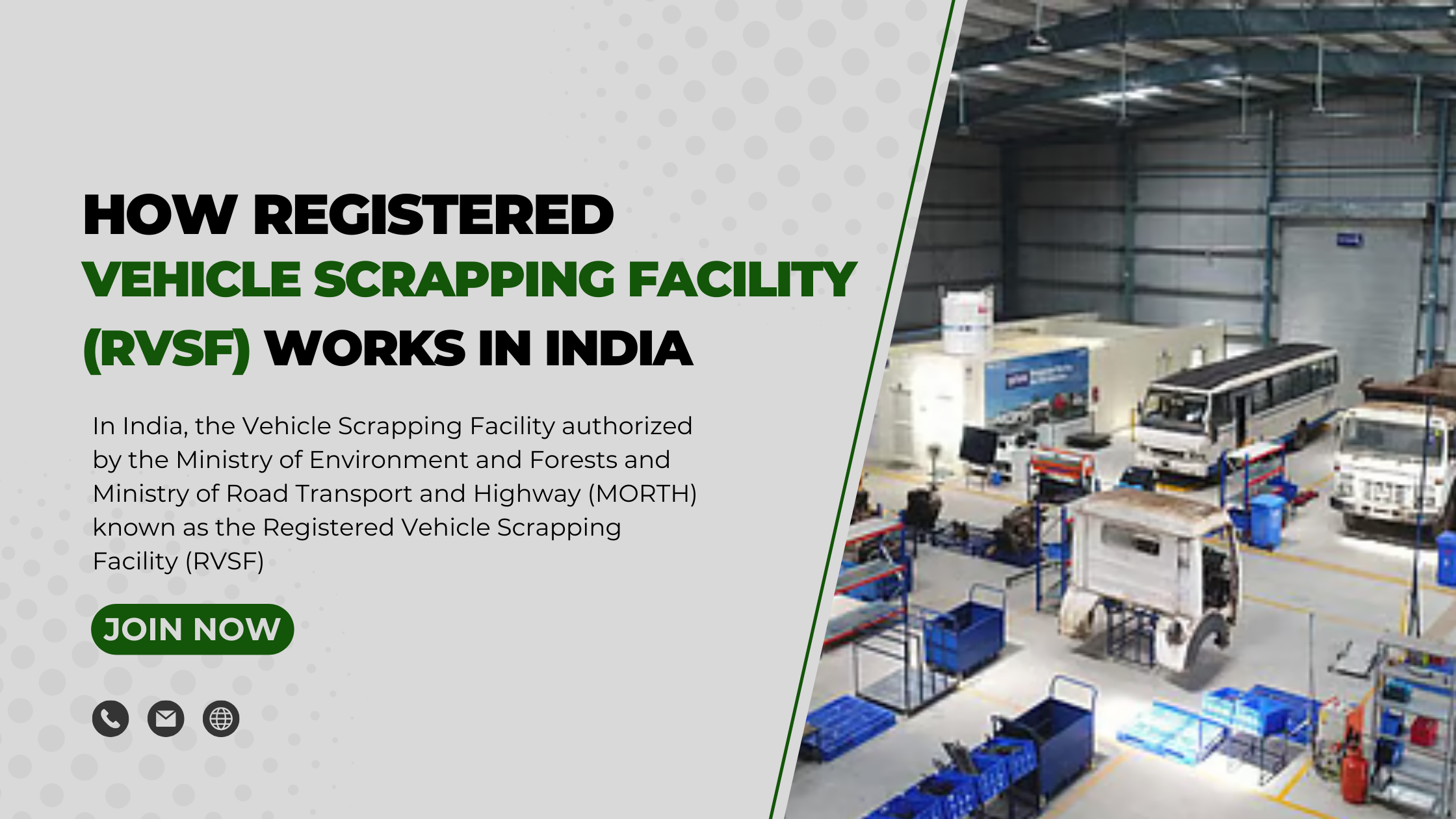
How Registered Vehicle Scrapping Facility (RVSF) works in India
Read More
What EPR E waste Management rules says
Read More
What Tyre Waste Management Rules Says
Read More
What is EPR Battery
Read More