
- Consent
from PCB
- Annual
Return Filing
- Complete Documentations
- Company
Registration
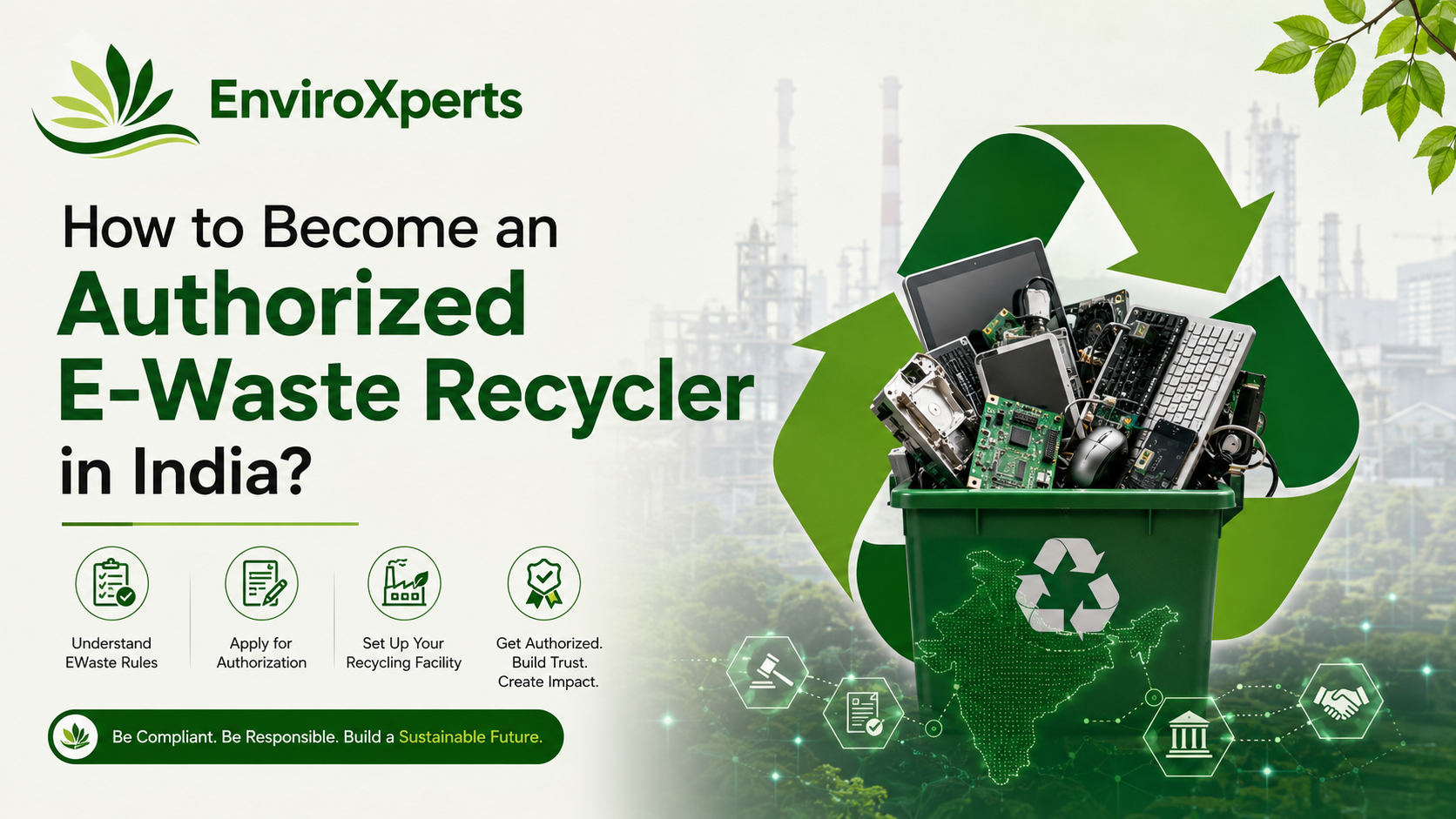
E-waste recycling refers to the process of recycling electrical and electronic equipment such as computers, laptops, mobile phones, televisions, printers, refrigerator, AC and other electronic devices.
The recycling process begins with the collection of electronic waste, followed by sorting, dismantling, and segregation of various components. During this process, valuable materials such as ferrous metals, non-ferrous metals, plastics, and printed circuit boards (PCBs) are recovered. Precious metals, including gold, silver, and copper, can also be extracted from PCBs. The entire procedure of recovering and processing these materials is known as E-waste recycling.
To understand the complete E-waste recycling process and business opportunities in this sector, you can connect with the experts at Enviroxperts.
E-Waste Management Rules 2024
Under the latest E-Waste Management Rules, the Government of India has expanded the list of covered electronic products to 108 categories.
In line with the 2024 regulations, the government has also introduced a mandatory 21 machinery requirement for E-waste recyclers. Every authorized recycler is required to establish and operate specified machinery and infrastructure to ensure efficient and environmentally compliant recycling operations.
For detailed guidance on regulatory requirements, plant setup, machinery specifications, and compliance procedures, connect with the Enviroxperts team.
Extended Producer Responsibility (EPR) and Benefits for Recyclers
To strengthen the recycling ecosystem, the Government of India has implemented the Extended Producer Responsibility (EPR) framework. Under this framework, Producers, Importers, and Brand Owners (PIBOs) are responsible for ensuring that a specified percentage of their products is recycled through authorized recyclers.
This creates significant opportunities for registered recyclers. Recyclers can generate revenue through:
- Sale of recovered materials and recyclable resources.
- Generation and transfer of EPR recycling certificates/credits.
- Service agreements with Producers, Importers, and Brand Owners.
The EPR ecosystem not only supports recyclers financially but also contributes to environmental protection, resource conservation, and sustainable waste management. Additionally, it promotes transparency and economic growth while generating tax revenue that supports national development initiatives.
Benefits of Becoming a Registered E-Waste Recycler
A registered E-waste recycler can benefit from:
- Revenue from material recovery and recycling.
- EPR credit generation and transfer.
- Long-term business opportunities with producers and brand owners.
- Contribution to environmental sustainability.
- Compliance with government regulations and standards.
How Enviroxperts Can Help
Enviroxperts provides end-to-end consulting and support for establishing an E-waste recycling facility. Our expert team assists with:
- Business setup and project planning.
- Regulatory approvals and registrations.
- CPCB/SPCB authorizations.
- EPR compliance guidance.
- Land and infrastructure requirements.
- Documentation and legal compliances.
Connect with Enviroxperts to learn how to become a registered E-waste recycler and successfully establish your E-waste recycling business in India.
Related Blogs
Who are Enviroxperts and How They Help Businesses with Environmental Compliances?
Read More
How to Get an E-Waste License in India? A Complete Guide
Read More
Complete Guide to EPR Registration in India
Read More
How to Import Scrap Batteries in India and its Rules, License & Compliance Guide
Read More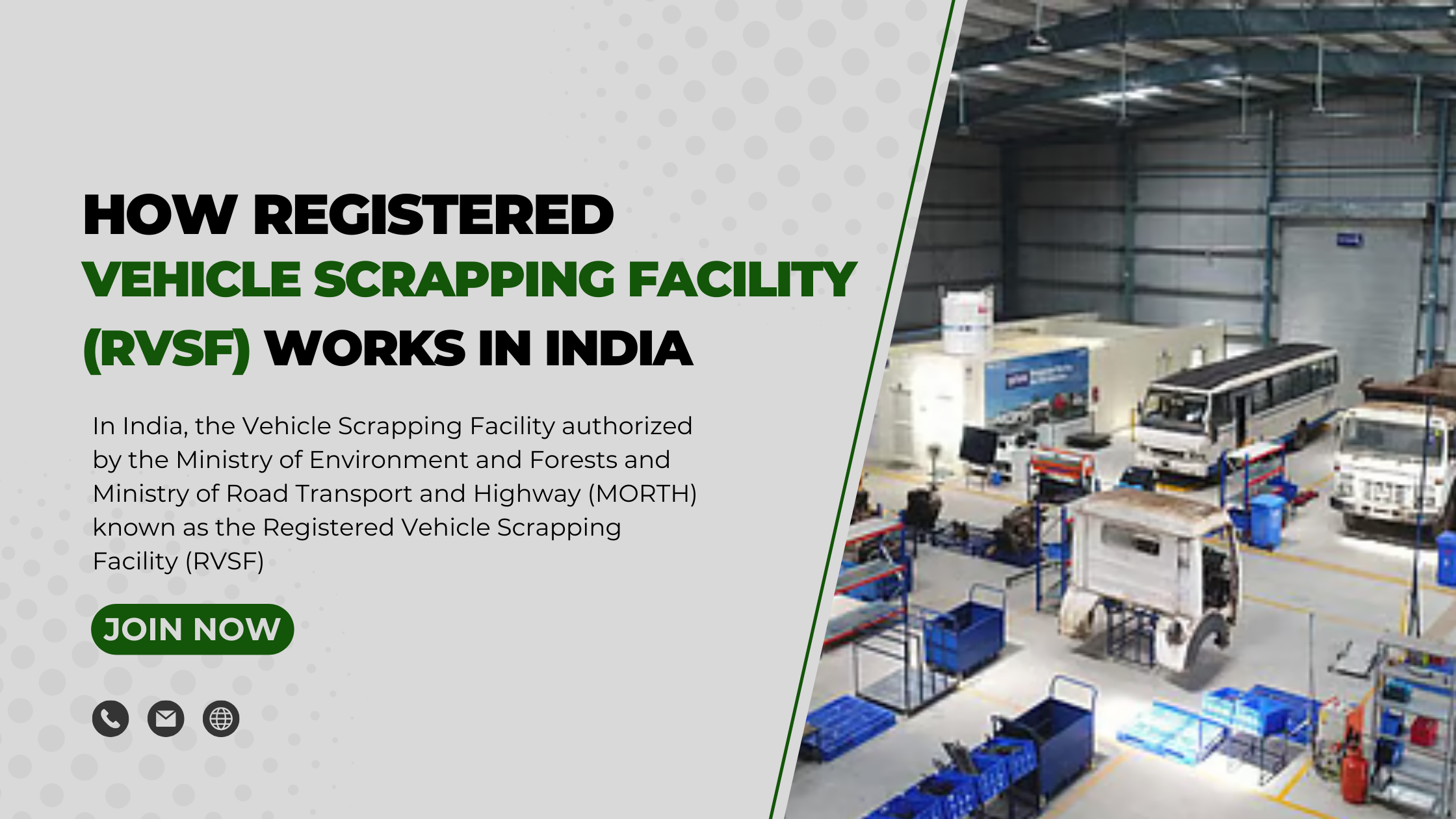
How Registered Vehicle Scrapping Facility (RVSF) works in India
Read More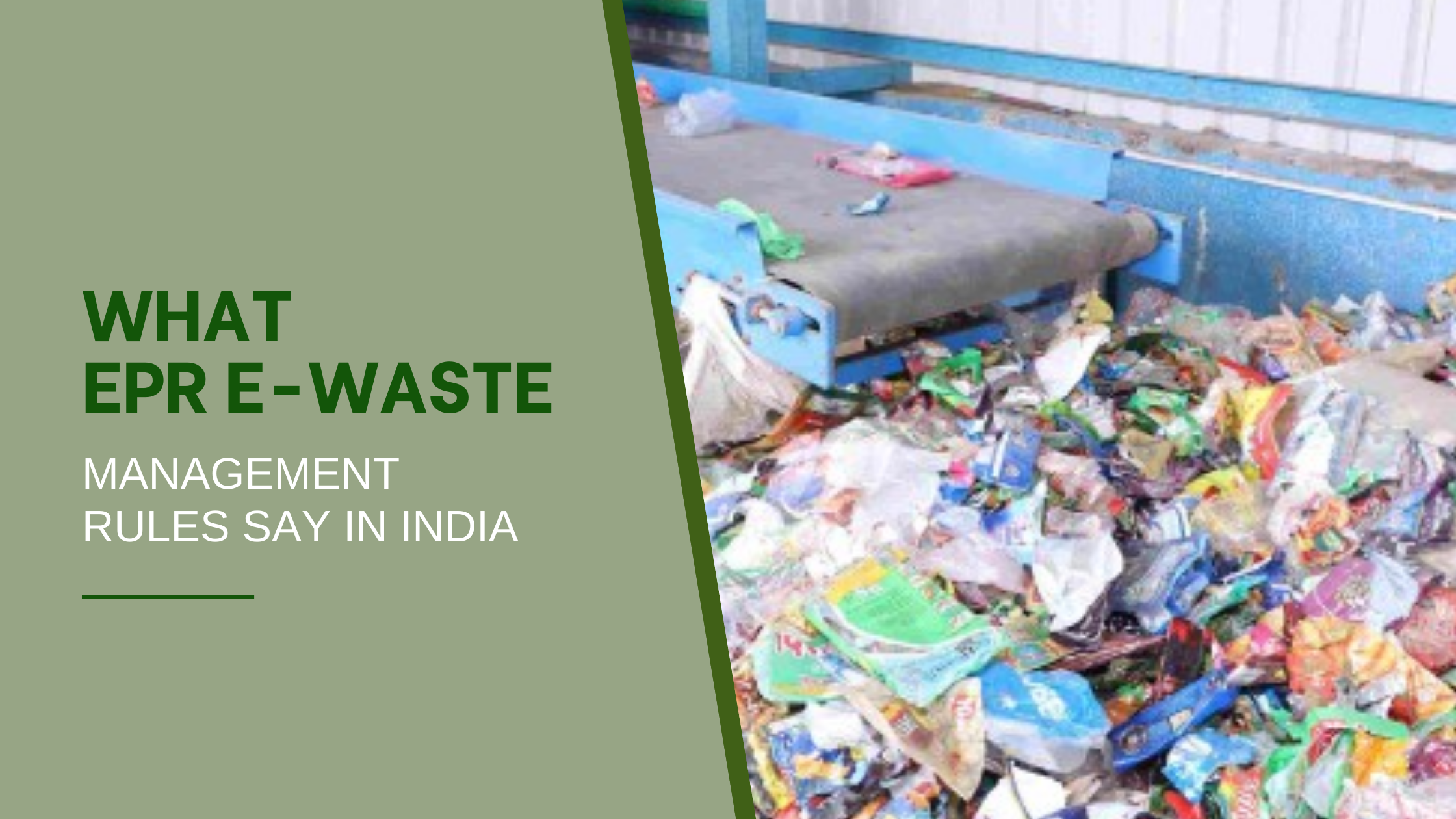
What EPR E waste Management rules says
Read More
What Tyre Waste Management Rules Says
Read More
What is EPR Battery
Read More