
- Consent
from PCB
- Annual
Return Filing
- Complete Documentations
- Company
Registration
How an RVSF have to operate under EPR
The responsibility of an RVSF (Vehicle Scrapping Unit) under the RVSF policy in India is that the RVSF will dismantle the vehicles and segregate the different types of metal scraps, e waste, Battery waste, Plastic waste and other waste from it, and after that it is the responsibility of an RVSF to give the scraps to the authorized recyclers who are registered under E Waste Management Rules, Plastic Waste Management Rules, Battery Waste Management Rules and Tyre Waste Management Rules. The Hazardous and Non Hazardous Waste would be segregated separately and then the RVSF will have to hand it over to the Transport Storage Disposal Facility (TSDF), and to the co-processors.
Basic Requirements to register under EPR for ELV by RVSF
This entire process must be followed by the RVSF. Keeping this in mind, the Central Pollution Control Board (CPCB) has launched an EPR (Extended Producer Responsibility) registration portal for end-of-life vehicles. Under this, RVSF plants will have their own targets, and they will need to obtain EPR registration from the CPCB for end-of-life vehicles. In this EPR Registration for End of Life Vehicles, RVSF have to share the following details.
- GPS Location of RVSF Unit
- State Pollution Control Board Consent
- Hazardous Waste Management Rules Registration Details
- Upload Material Balance Sheet
- De-pollution Equipment
- Dismantling & Shredding Equipment
- Sanctioned Power Load
- Operating Capacity
- Pollution Control Equipment
- Recycler Agreements of E Waste , Plastic, Tyre , Battery and Oil
Any RVSF facility can connect with Enviroxperts team. Our team will help you to understand the process and provide consulting on how an RVSF should register for EPR for end-of-life vehicles.
How EPR Registration is beneficial to RVSF
EPR registration for end-of-life vehicles also presents a golden opportunity for RVSF plants to grow their business in a proper and uniform manner, ensuring that every scrap is disposed of properly. Scraps that are not recyclable will be given to designated disposal facilities. All these records can be maintained through EPR registration. The EPR portal started by the Central Pollution Control Board for end-of-life vehicle registration, which an RVSF facility needs to complete, will require all vehicle manufacturers, producers, or importers in India to register under EPR. The targets specified in the EPR framework will then need to be met with the help of RVSF facilities. Once an RVSF is registered under the EPR (Extended Producer Responsibility) policy, they will upload the bills for the scrap materials which has handover to the respective recyclers for recycling. The government will then provide credits based on these uploads. The RVSF can then sell these credits to producers and importers who have also registered under the EPR policy. This is a good way for RVSF plant owners to increase their revenue, and it ensures that all scrap materials are documented and handled in a uniform manner, going to the right recyclers or processors who can properly recycle them.
How Enviroxperts can assist
If any RVSF plant requires assistance with EPR registration for ELV under the EPR policy issued by CPCB, they can connect with our team of Enviroxperts. We will guide you through the process, explain the policy, and provide complete assistance with file submission.
Related Blogs

Who are Enviroxperts and How They Help Businesses with Environmental Compliances?
Read More
How to Get an E-Waste License in India? A Complete Guide
Read More
Complete Guide to EPR Registration in India
Read More
How to Import Scrap Batteries in India and its Rules, License & Compliance Guide
Read More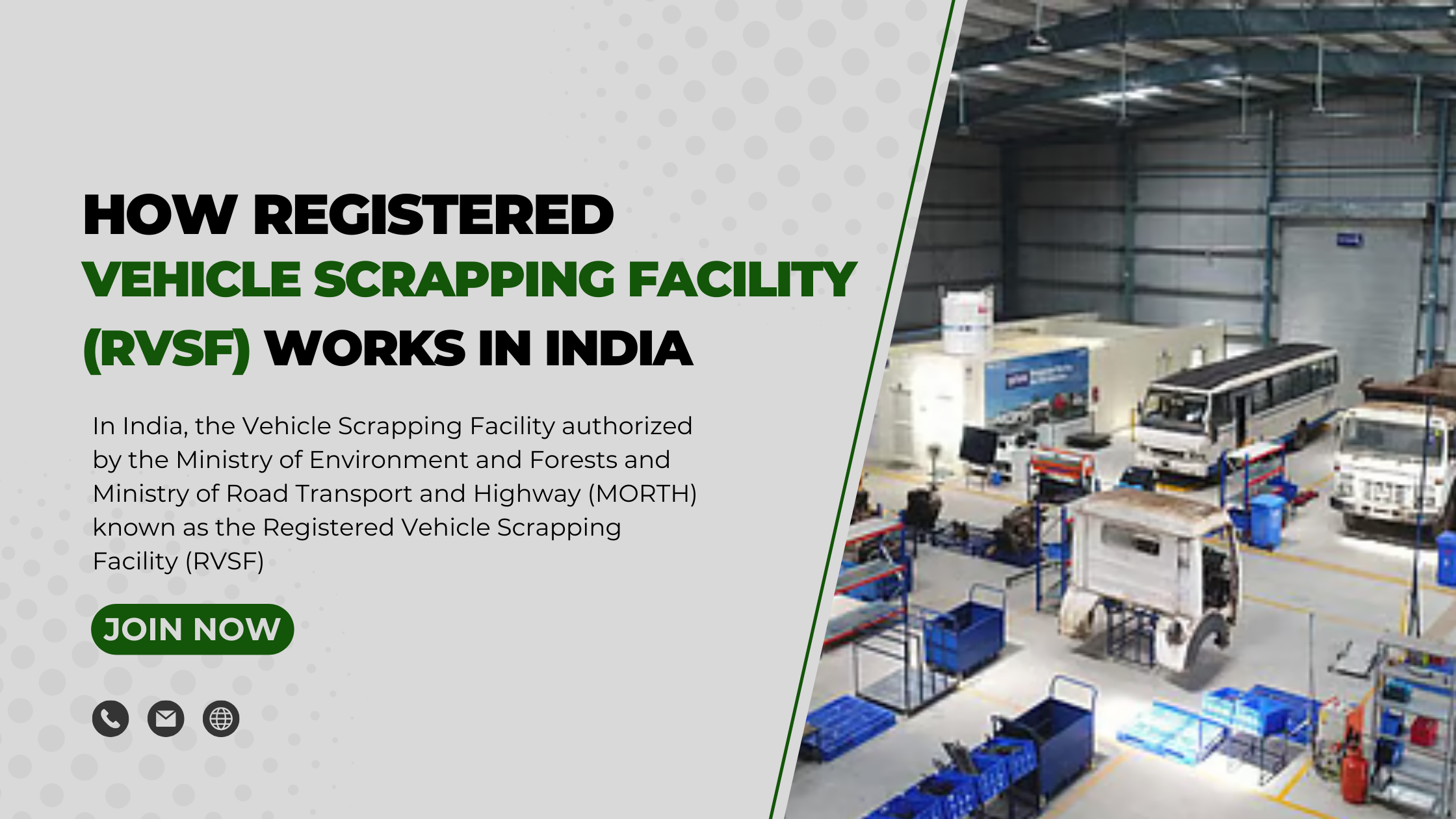
How Registered Vehicle Scrapping Facility (RVSF) works in India
Read More
What EPR E waste Management rules says
Read More
What Tyre Waste Management Rules Says
Read More
What is EPR Battery
Read More