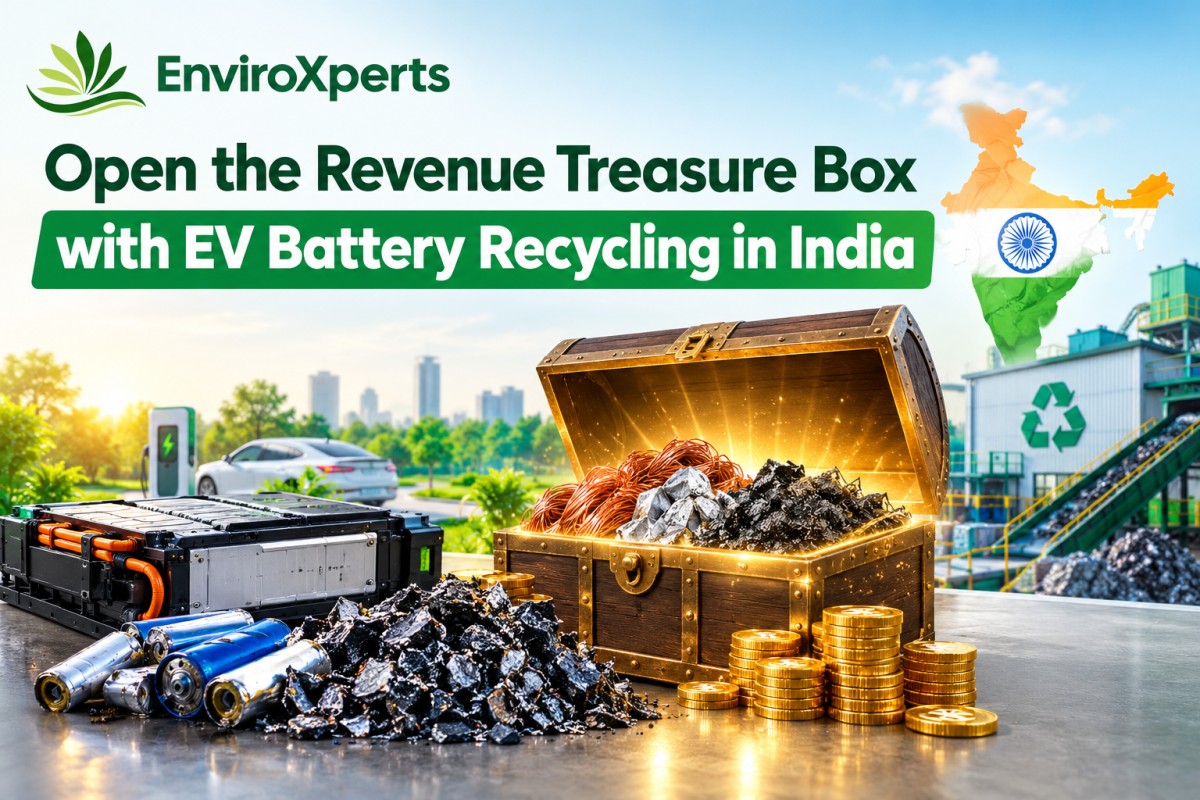
Open the revenue treasure box with EV battery recycling in India
27 Oct 2026 | EnviroxpertsIndia is gaining momentum in economic recovery and sustained growth after the adoption of electric vehicles (EVs) in the automotive industry. The Government of India has set a remarkable target of 30% EVs in India by 2030.

- Consent
from PCB
- Annual
Return Filing
- Complete Documentations
- Company
Registration
India is gaining momentum in economic recovery and sustained growth after the adoption of electric vehicles (EVs) in the automotive industry. The Government of India has set a remarkable target of 30% EVs in India by 2030. Moreover, the government has started enhancing the R&D process of developing its own EVs to meet the target of Viksit Bharat by 2047.
EVs have significantly driven the shift from fossil fuel dependence to green energy. It has a wide category that includes cars, two-wheelers, three-wheelers, and buses in India. The next task is the sustainable recycling of used EV batteries and converting it into a new revenue source.
What are Electric Vehicle batteries?
The fast adoption of EVs in India is driven by various aspects, like conservation of natural reserves, better energy security, improved air quality index, and reduction in GHG emissions in comparison to internal combustion engine (ICE)-driven vehicles. Most electric vehicles in India use EV batteries, such as lithium-ion batteries, also called Electric Vehicle batteries.
These contain precious minerals and metals like lithium, cobalt, nickel, copper, aluminium, graphite, and manganese. When EV batteries reach the end of their useful life, they require proper disposal to avoid causing significant environmental hazards.
As quoted in a renowned newspaper, the current rate of recycling end-of-life lithium-ion batteries in India stands at about 1%, but with better recycling technologies, we can improve this recycling rate.
Why is EV Battery Recycling important?
Along with the growing number of EV vehicles, there is also an increasing amount of lithium-ion batteries being thrown away as trash into landfills. According to projections that were made in a report of NITI Aayog, India will need 248 GWh of lithium-ion batteries, and end-of-life batteries will amount to 233 kilotonnes by 2035. With a well-developed recycling framework, this waste can be turned into a profitable material.
Almost all of the current fleet of EV vehicles are running on the first-generation batteries, which lose their performance over time. The lifespan of the battery depends on its chemical composition, type of usage, available charging conditions, and manufacturing quality. With proper recycling technologies, businesses and recyclers can get 18 kg of lithium per tonne of battery. Lithium recovered from these batteries is used again as a secondary raw material in the process of making EV components.
Recent developments in India's battery recycling sector:
• There is an exponential surge in the number of operational lithium-ion battery recycling plants.
• With effective government policies, EPR implementation has improved.
• Substantial Investments by battery manufacturers in recycling facility setup
• Better technology development in hydrometallurgical recovery.
• India's EV revolution is turning the heads of global investors.
• EV battery recycling gives a boost to domestic circular economy ecosystems.
Government support and policies related to EV battery recycling:
- Implementation of Fast Adoption and Manufacturing of Electric Vehicles (FAME) II Scheme: It is a government policy designed to provide financial incentives for purchasing electric vehicles.
- Implementation of Production-Linked Incentive (PLI) Scheme in EV sector: This scheme promotes local manufacture of EV components, especially batteries, in order to minimise imports from other countries.
- Proper Installation and Swift Operation of battery swapping and battery charging stations: To promote the battery subscription model mainly for two- and three-wheelers, this government scheme plays an important role. It is coordinated by the Bureau of Energy Efficiency (BEE).
Advantages of EV Battery Recycling
EV battery recycling has numerous benefits for India's fast-growing economy and for the Indian electric vehicle industry.
- Metals recovered from EV battery recycling, like lithium, nickel, cobalt, copper, and others, are used as raw materials in the battery manufacturing and the consumer electronics industry. This will help to reduce the reliance on primary mined metals and conserve natural resources.
- With proper recycling methods, India can fulfil its critical minerals and battery materials needs. This will satisfy raw material demands in a cost-effective manner and make India self-sufficient.
- Recycled EV batteries can be used as storage devices and serve as rural microgrids in rural India.
- EV manufacturers and OEMs can fulfil their EPR compliances by buying EPR credit from battery recyclers.
- Proper recovery, dismantling, and recycling of the spent batteries reduce environmental pollution and ensure responsible waste management.
- Removal of customs duty on waste lithium-ion batteries supports domestic battery recyclers. become more popular in India.
- Black mass recycling helps to recover valuable battery materials like lithium, cobalt, nickel, and manganese. These could be reused in the production of lithium-ion batteries or exported to other nations.
Regulations and guidelines for EV battery recycling:
India has a strict regulatory framework for managing used batteries and their recycling. These are as per the guidelines of the Battery Waste Management Rules, 2022, notified by the Ministry of Environment, Forest and Climate Change (MoEFCC). It applies to the different categories of batteries used. These rules aim at the prevention of environmental
contamination with hazardous waste and recovery of valuable material from spent batteries. This gives a systematic circular economy plan. The government also mandates PIBOs to submit a comprehensive EPR plan. The exchange price of the EPR certificate between registered recycling facilities shall be through the CPCB portal.
Conclusion: Turning Battery Waste into a Valuable Resource
India's EV revolution is driven by faster adoption, battery manufacturing expansion, better and supportive government policies, and sustainable development values. By 2030, India is expected to become a major recycling centre. With a transformative transition from fossil fuel vehicles to electricity-driven vehicles, battery scrap generation is projected to rise to 350,000 MT by 2030. This huge heap of scrap can be an asset if recycled with advanced methods and technology. Recyclers and businesses can tap the potential recycling market and become global leaders in sustainable battery recycling and circular economy development.
EnviroXperts is a reliable Battery recycling and licensing firm serving clients from all over the world. Businesses can get practical and profitable solutions with a comprehensive understanding of the compliance and approvals for starting a battery recycling plant in India.
Related Blogs
Who are Enviroxperts and How They Help Businesses with Environmental Compliances?
Read More
How to Get an E-Waste License in India? A Complete Guide
Read More
Complete Guide to EPR Registration in India
Read More
How to Import Scrap Batteries in India and its Rules, License & Compliance Guide
Read More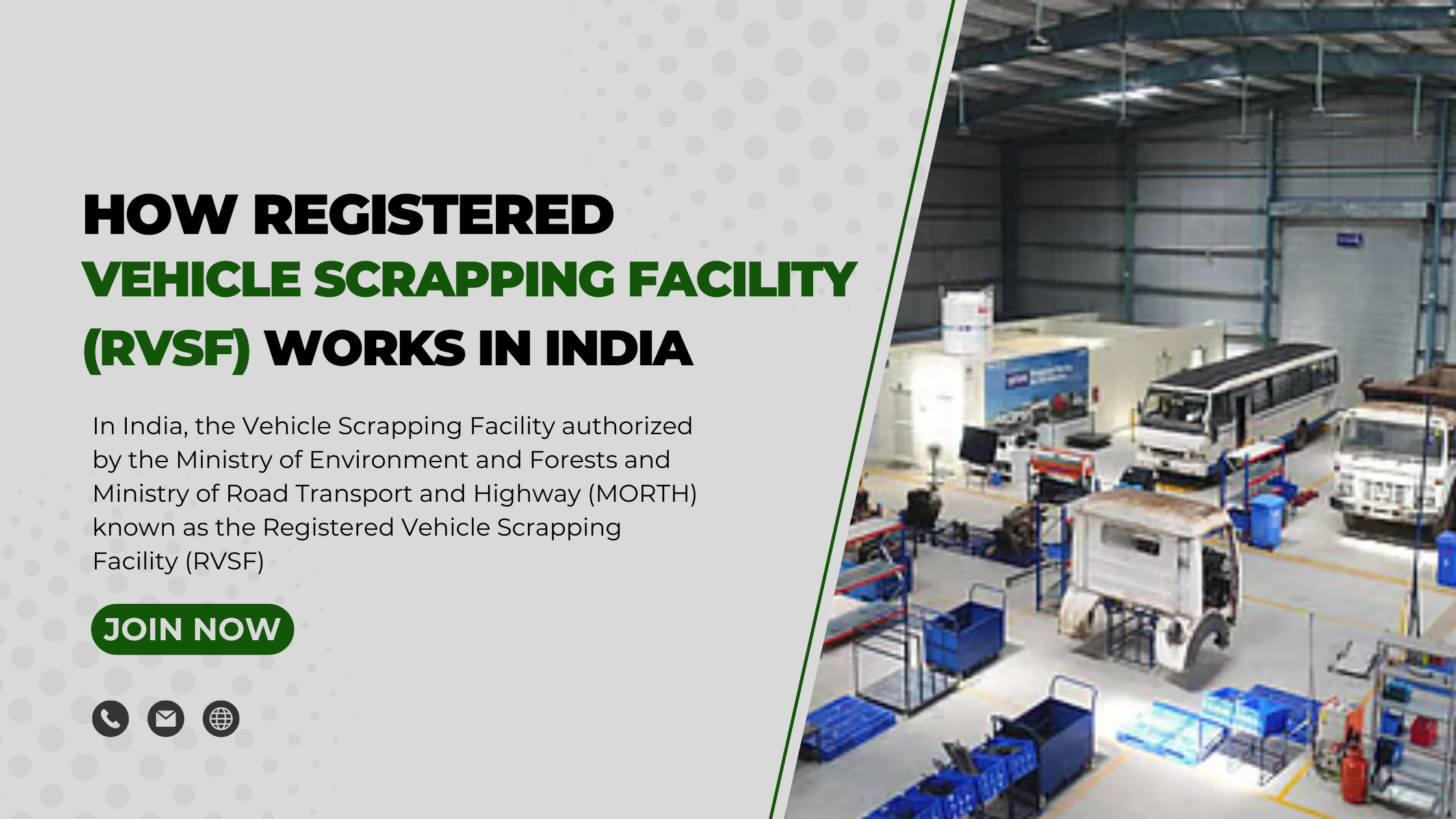
How Registered Vehicle Scrapping Facility (RVSF) works in India
Read More
What EPR E waste Management rules says
Read More
What Tyre Waste Management Rules Says
Read More
What is EPR Battery
Read More