
- Consent
from PCB
- Annual
Return Filing
- Complete Documentations
- Company
Registration
Plastic has become an inseparable part of modern life. From packaging and healthcare to construction and electronics, plastic offers convenience, durability, and cost efficiency. However, the excessive and irresponsible use of plastic has created a serious global environmental challenge. This is where Plastic Waste Management plays a critical role.
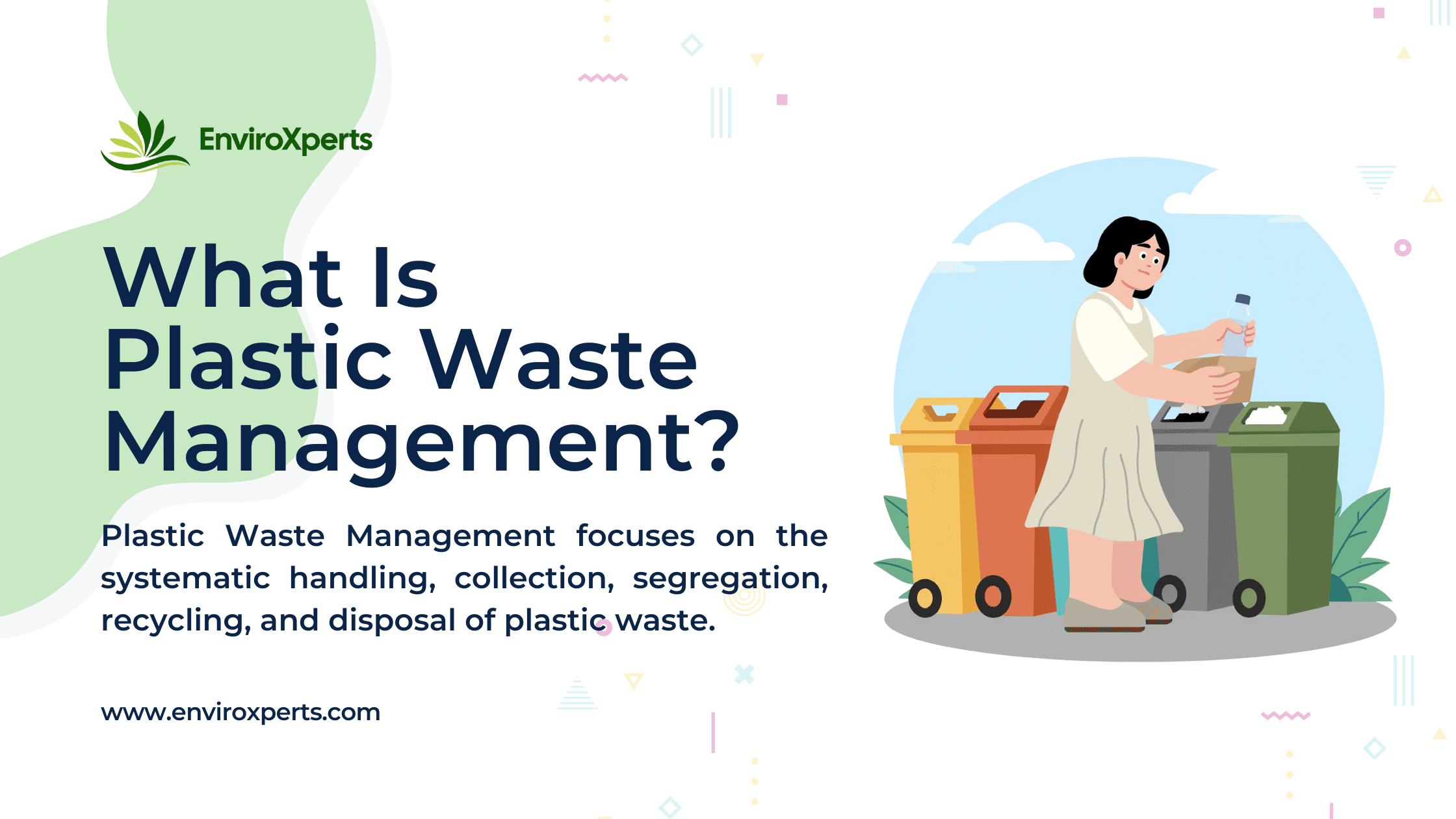
Plastic Waste Management focuses on the systematic handling, collection, segregation, recycling, and disposal of plastic waste in a way that minimizes environmental damage and promotes sustainability. In India, with rising plastic consumption and strict environmental regulations, effective plastic waste management is no longer optional, it is a legal and social responsibility.
This blog explains the meaning of plastic waste management, its importance, and the step-by-step process involved, with special reference to India.
Meaning of Plastic Waste Management
Plastic Waste Management refers to the organized process of managing plastic waste from the point of generation to its final disposal or recycling, in an environmentally safe and legally compliant manner. It includes activities such as segregation, storage, collection, transportation, processing, recycling, and disposal of plastic waste.
The primary objective of plastic waste management is to reduce plastic pollution, prevent harm to ecosystems, conserve natural resources, and promote a circular economy where plastic materials are reused and recycled instead of discarded.
In India, plastic waste management is governed by the Plastic Waste Management Rules, which place responsibility on producers, importers, brand owners, recyclers, and waste processors to manage plastic waste responsibly.
Types of Plastic Waste
Understanding the types of plastic waste is essential for effective management. Plastic waste is broadly classified into the following categories:
- Single-use plastic waste such as carry bags, straws, cutlery, and packaging films
- Packaging plastic waste including multilayered plastic used in FMCG products
- Industrial plastic waste generated during manufacturing processes
- Post-consumer plastic waste discarded after product use
- Microplastics, which are tiny plastic particles harmful to soil and water bodies
Each type requires a different handling and recycling approach.
Importance of Plastic Waste Management
1. Environmental Protection
Improper disposal of plastic waste leads to land, water, and air pollution. Plastics clog drains, contaminate soil, harm marine life, and take hundreds of years to decompose. Effective plastic waste management helps reduce pollution and protect ecosystems.
2. Human Health & Safety
Burning plastic waste releases toxic gases that cause respiratory diseases and long-term health issues. Plastic-contaminated water and food chains pose serious health risks. Proper management minimizes these hazards.
3. Legal Compliance in India
The Indian government has introduced strict regulations under Plastic Waste Management Rules. Non-compliance can lead to heavy penalties, cancellation of licenses, and legal action. Proper waste management ensures regulatory compliance for businesses.
4. Resource Conservation
Plastics are derived from fossil fuels. Recycling plastic waste helps conserve natural resources, reduce dependency on raw materials, and save energy compared to producing new plastic.
5. Supports Circular Economy
Plastic waste management promotes recycling and reuse, turning waste into valuable resources. This supports a circular economy where materials remain in use for as long as possible.
6. Corporate Social Responsibility & ESG Goals
Businesses adopting proper plastic waste management demonstrate environmental responsibility. It improves brand image, supports ESG compliance, and builds consumer trust.
Plastic Waste Management Process: Step-by-Step
The plastic waste management process involves multiple stages, each playing a crucial role in minimizing environmental impact.
Step 1: Segregation at Source
Segregation is the foundation of effective plastic waste management. Plastic waste must be separated from organic and other waste at the point of generation.
- Dry plastic waste
- Recyclable plastic
- Non-recyclable or contaminated plastic
Proper segregation improves recycling efficiency and reduces processing costs.
Step 2: Collection of Plastic Waste
Plastic waste is collected through authorized waste collectors, municipal bodies, or private agencies. For businesses, collection is often done through authorized plastic waste recyclers or Producer Responsibility Organizations (PROs).
Efficient collection systems ensure plastic waste does not end up in landfills or water bodies.
Step 3: Storage and Handling
Collected plastic waste must be stored safely to prevent leakage, contamination, or environmental damage. Storage areas should comply with safety and pollution control norms.
Step 4: Transportation
Plastic waste is transported to recycling or processing facilities using authorized vehicles. Transportation must comply with environmental regulations to avoid spillage or illegal dumping.
Step 5: Sorting and Processing
At recycling facilities, plastic waste is further sorted based on type, thickness, and polymer category such as PET, HDPE, LDPE, PP, or multilayered plastic.
After sorting, plastic waste undergoes processing, which may include:
- Shredding
- Washing
- Drying
- Granulation
Step 6: Recycling of Plastic Waste
Recycling converts plastic waste into reusable raw material. The main recycling methods include:
- Mechanical recycling – melting and reprocessing plastic into granules
- Chemical recycling – breaking plastic into basic chemical components
- Energy recovery – converting plastic waste into fuel or energy
Recycled plastic is used in packaging, construction materials, textiles, and industrial products.
Step 7: Disposal of Non-Recyclable Plastic
Some plastic waste cannot be recycled due to contamination or composition. Such waste is disposed of through:
- Co-processing in cement kilns
- Waste-to-energy plants
- Secured landfills (last resort)
The goal is to minimize landfill disposal as much as possible.
Role of Extended Producer Responsibility (EPR)
Extended Producer Responsibility (EPR) is a key component of plastic waste management in India. Under EPR, producers, importers, and brand owners are legally responsible for managing the plastic waste generated from their products.
EPR includes:
- Collection targets
- Recycling obligations
- Use of authorized recyclers
- Filing returns with CPCB/SPCB
EPR ensures accountability and shifts the burden of waste management from governments to businesses.
Challenges in Plastic Waste Management
Despite regulations, plastic waste management faces several challenges:
- Lack of awareness and segregation at source
- Inadequate recycling infrastructure
- High cost of compliance for small businesses
- Presence of informal waste sector
- Growth of multilayered plastic packaging
Addressing these challenges requires cooperation between governments, industries, and citizens.
Benefits of Effective Plastic Waste Management
Proper plastic waste management offers long-term benefits such as:
- Cleaner cities and healthier ecosystems
- Reduced landfill burden
- Economic opportunities through recycling
- Legal safety for businesses
- Sustainable resource utilization
Conclusion
Plastic Waste Management is not just an environmental necessity, it is a legal, social, and economic responsibility. With rising plastic consumption and increasing environmental awareness, managing plastic waste effectively has become crucial for sustainable development.
By understanding the meaning, importance, and process of plastic waste management, individuals and businesses can contribute to reducing pollution, conserving resources, and building a cleaner future. Adopting responsible practices today ensures a healthier planet for generations to come.
Related Blogs
Who are Enviroxperts and How They Help Businesses with Environmental Compliances?
Read More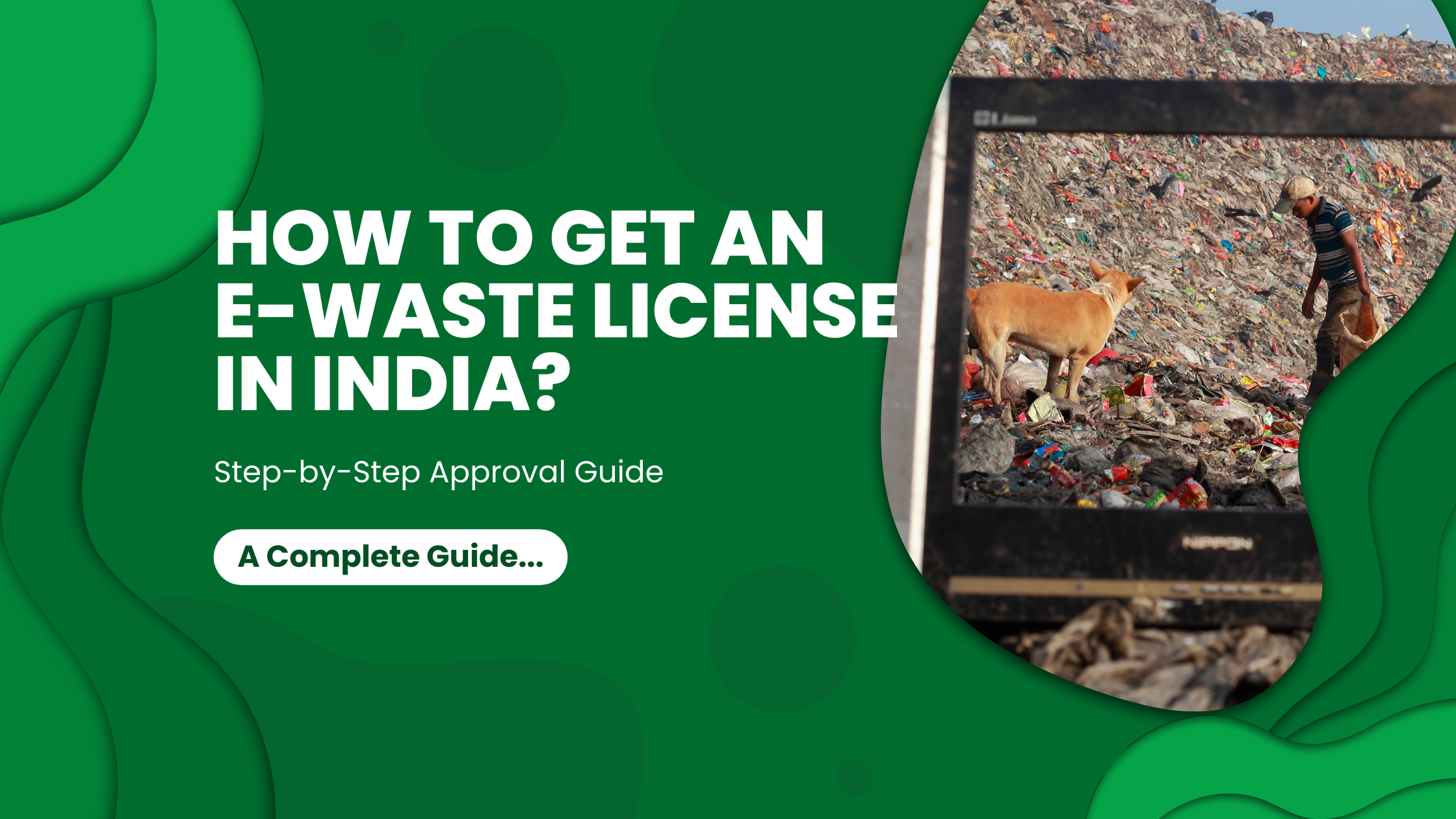
How to Get an E-Waste License in India? A Complete Guide
Read More
Complete Guide to EPR Registration in India
Read More
How to Import Scrap Batteries in India and its Rules, License & Compliance Guide
Read More
How Registered Vehicle Scrapping Facility (RVSF) works in India
Read More
What EPR E waste Management rules says
Read More
What Tyre Waste Management Rules Says
Read More
What is EPR Battery
Read More