
- Consent
from PCB
- Annual
Return Filing
- Complete Documentations
- Company
Registration
Introduction
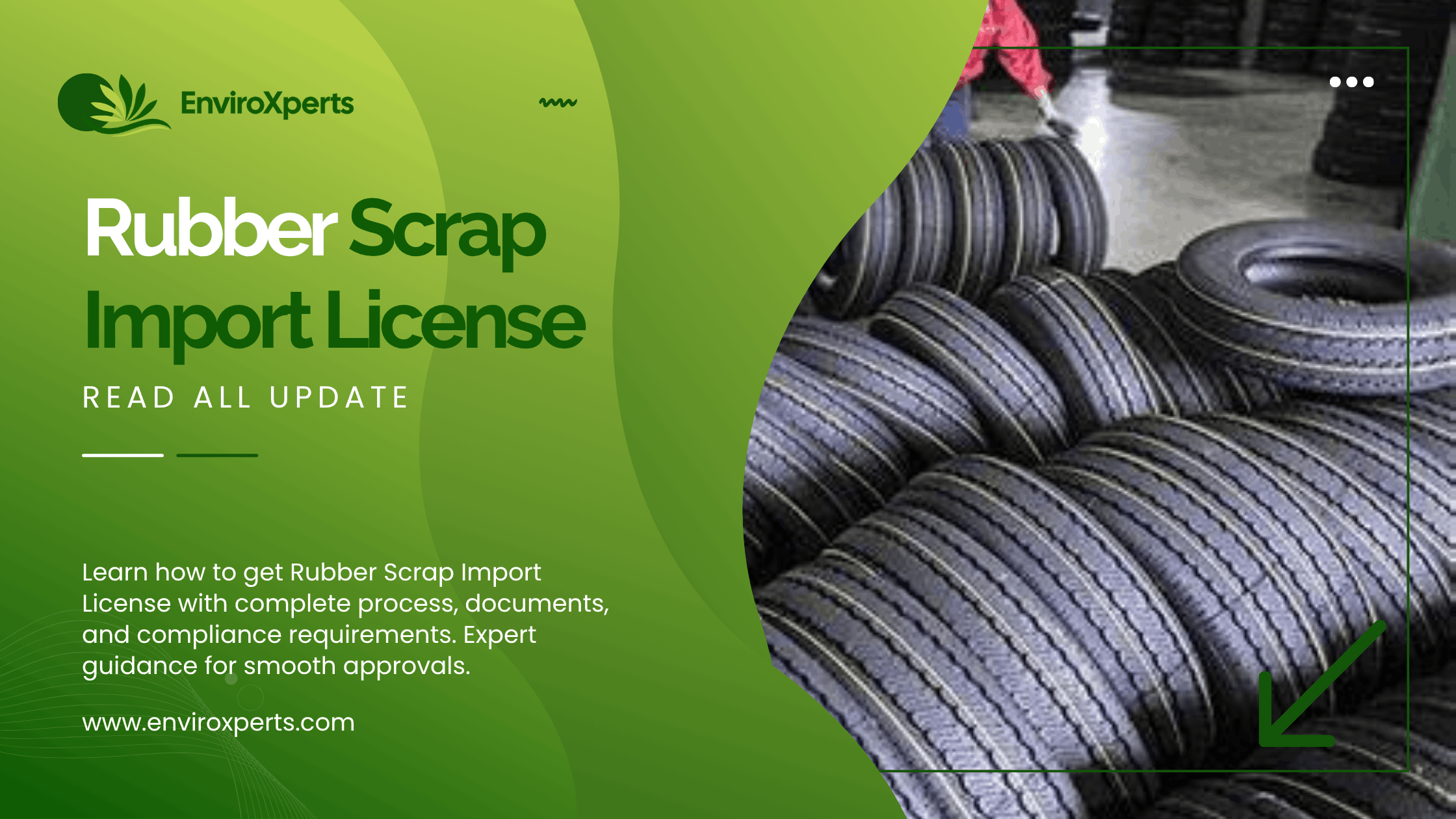
Importing rubber scrap requires proper approvals and compliance with regulatory guidelines to ensure safe handling and environmental protection. Businesses involved in recycling and manufacturing often require Rubber Scrap Tyre Import License, depending on the type of material being imported and its intended use.
With increasing demand for recycled rubber materials, obtaining the right permissions has become essential for smooth and legally compliant import operations.
Overview of Rubber Scrap Import License
Rubber scrap is widely used in industries such as manufacturing, construction, and recycling. Importing rubber scrap allows businesses to access cost-effective raw materials and maintain production efficiency.
However, due to environmental concerns and regulatory policies, importing such materials requires proper authorization from relevant authorities. Businesses must ensure that all documentation and compliance requirements are fulfilled before initiating import activities.
What is Rubber Scrap Import License
Rubber Scrap Import License is an authorization required for importing rubber-based waste materials for recycling or industrial use. This license ensures that the importer follows environmental guidelines and handles the material responsibly.
It also helps authorities regulate the import process and prevent misuse or improper disposal of scrap materials.
Process to Obtain Rubber Scrap Import License
1. Eligibility Check Ensure that the business meets the required criteria and has proper infrastructure for handling rubber scrap.
2. Documentation Preparation Prepare all necessary documents such as business registration, compliance certificates, and other required details.
3. Application Submission Submit the application to the concerned authorities for approval.
4. Verification and Inspection Authorities may verify documents and inspect facilities before granting approval.
5. Approval and Import Process After approval, businesses can proceed with import and complete customs clearance.
Documents Required for Rubber Scrap Import License
- Import Export Code (IEC)
- GST Certificate
- Business Registration Documents
- Pollution Control Board Approval
- Environmental Compliance Documents
- Invoice and Packing List
- Agreement with Supplier
- Other supporting documents as required
Benefits of Rubber Scrap Import License
- Ensures legal and compliant import operations
- Enables access to cost-effective raw materials
- Supports recycling and sustainable practices
- Reduces risk of delays and penalties
- Improves business credibility
Challenges in Rubber Scrap Import
- Complex documentation requirements
- Regulatory approvals and compliance
- Inspection and verification delays
- Changing policies and guidelines
Why Choose Expert Assistance
Getting the right approvals can be complex without proper guidance. Expert support helps in preparing accurate documentation, handling compliance requirements, and ensuring faster approvals.
With professional assistance, businesses can avoid errors, reduce delays, and complete the import process smoothly.
Conclusion
Rubber Scrap Import License is essential for businesses dealing with recycled rubber materials. With proper approvals, documentation, and compliance, companies can ensure smooth import operations and contribute to sustainable resource management.
FAQs
1. What is Rubber Scrap Import License?
It is an authorization required to import rubber scrap for recycling or industrial use.
2. Is Rubber Scrap Import License mandatory?
Yes, proper approvals are required to ensure compliance with regulations.
3. What documents are required for rubber scrap import?
Documents include IEC, GST certificate, environmental approvals, and other compliance documents.
4. How long does it take to get approval?
The timeline depends on documentation and approval process.
5. Can rubber scrap be imported without license?
No, importing without proper authorization can lead to penalties and legal issues.
Related Blogs

Who are Enviroxperts and How They Help Businesses with Environmental Compliances?
Read More
How to Get an E-Waste License in India? A Complete Guide
Read More
Complete Guide to EPR Registration in India
Read More
How to Import Scrap Batteries in India and its Rules, License & Compliance Guide
Read More
How Registered Vehicle Scrapping Facility (RVSF) works in India
Read More
What EPR E waste Management rules says
Read More
What Tyre Waste Management Rules Says
Read More
What is EPR Battery
Read More