
- Consent
from PCB
- Annual
Return Filing
- Complete Documentations
- Company
Registration
For Setting up an e-waste recycling plant in India is a regulated process governed by Central Pollution Control Board (CPCB) & Ministry of Environment Forest (MOEF) under E-Waste (Management) Rules, 2022. The compliance part is divided into three main phases: business setup, environmental clearances, and operational licensing. For more information and consulting on setting E Waste Recycling Plant in India you may connect to Enviroxperts team. Our team will consult and help you in full filling the licensing part for setting E Waste Recycling Plant in India.
1. Initially for setting up Business
Before applying for environmental Compliances, the business identity must be recognized as follows
Certificate of Incorporation (COI): Required for Private Limited Companies or LLPs (via MCA). Partnership firm or a Proprietor can also apply
GST Registration Certificate: Mandatory for invoicing and applying for environmental compliances.
Udyam (MSME) Registration: Provides benefits like subsidies and collateral-free loans.
PAN and Aadhaar: Of the company and its authorized directors/signatories.
Land Ownership/Lease Documents: Rent agreement or sale deed for the Facility where plant to be setup. Land can be Industrial area land or it can be a nonagricultural land.
2. Environmental & Pollution Compliances
Since e-waste recycling is considered a "Red Category" industry due to hazardous components generation during recycling process. So the below mentioned clearances from the State Pollution Control Board (SPCB) are mandatory.
Consent to Establish (CTE)
Have to take initially, before construction on land.
Detailed Project Report (DPR): Outlining the business model and technology.
Site Plan & Layout: Details of dismantling, segregation, and storage zones along with the Machinery installation space and raw material extraction storage space.
Water Balance: Details of water source and effluent treatment.
Pollution Control Plan: Details of devices used to manage air emissions and solid waste, which called us Air Pollution Control measuring Device.
Enviroxperts team can help you by consulting and by taking care for the filling process for CTE Consent to Establish Certificate. You may connect to our team for end to end solution.
Consent to Operate (CTO)
Have to process after CTE and after setting up the proper plant and complete construction works. In case of any water required in machinery operation, in that case ETP Plant (Effluent Treatment Plant) is also required.
Enviroxperts team can help you by consulting and by taking care for the filling process for CTO Consent to Operate Certificate. You may connect to our team for end to end solution.
Equipment Proof: Evidence of installed shredders, separators, and air control units, Raw material extraction (Ferrous and non-ferrous metal extraction) machines.
Laboratory Analysis: Reports of trial emissions or effluent discharge.
Fire NOC: No Objection Certificate from the local Fire Department after installation of required Smoke detectors, Fire sprinklers, Fire extinguishers etc.
3. E-Waste Authorizations ( Register under E Waste management Rules by an E Waste Recycler)
With the 2022 rules, most of these processes have moved to the centralized CPCB E-Waste Portal.
(a). Registration on CPCB Portal: Mandatory Step.
All recyclers must register on the Central Pollution Control Board (CPCB) portal. This is a digital-first requirement for generating EPR certificates. After this registration only a recycler can be able to transfer EPR credits to Producer, Importer or Brand Owner.
Enviroxperts team can help you by consulting and by taking care for the filling process for registration under E Waste management rules (EPR) for an E Waste Recycler. You may connect to our team for end to end solution.
(b).Hazardous Waste Authorization: Form 1.
Required if your process generates residues like lead-glass or chemicals. Requires a signed undertaking and a valid CTO. Under Hazardous Waste Management Authorization every E Waste Recycler have to register.
(c ).TSDF Agreement: Transport Treatment Storage & Disposal Facility.
A signed agreement with a Treatment, Storage, and Disposal Facility (TSDF) for the final disposal of non-recyclable hazardous residues. These TSDF will collect the waste and will dispose the waste in their installed incinerator unit.
4.E-Waste Passbook: For Entry of Records
Issued by the SPCB to track the quantity and movement of e-waste processed by your unit from Manufacturers, Importers and from Corporates.
Mandatory Technical Documentation
You will likely be asked to provide these specific technical details during inspections done by SPCB or CPCB on recycling facility:
Flowchart of the Recycling Process: How devices move from raw waste to recovered metal.
Occupational Health & Safety Plan: Measures for worker protection (PPE, ventilation).
Emergency Response Plan (ERP): Procedures for handling spills, fires, or chemical leaks.
Note: Under the 2022 Rules, recyclers can generate EPR (Extended Producer Responsibility) Certificates on the CPCB portal. These certificates can be sold to producer’s importers or brand owners, serving as a primary revenue stream alongside the sale of recovered metals. This will help PIBO’s in completing their compliances with the help of E Waste Recyclers.
Enviroxperts team can help you by consulting and by taking care for the filling process for EPR Certificate. You may connect to our team for end to end solution.
Related Blogs
Who are Enviroxperts and How They Help Businesses with Environmental Compliances?
Read More
How to Get an E-Waste License in India? A Complete Guide
Read More
Complete Guide to EPR Registration in India
Read More
How to Import Scrap Batteries in India and its Rules, License & Compliance Guide
Read More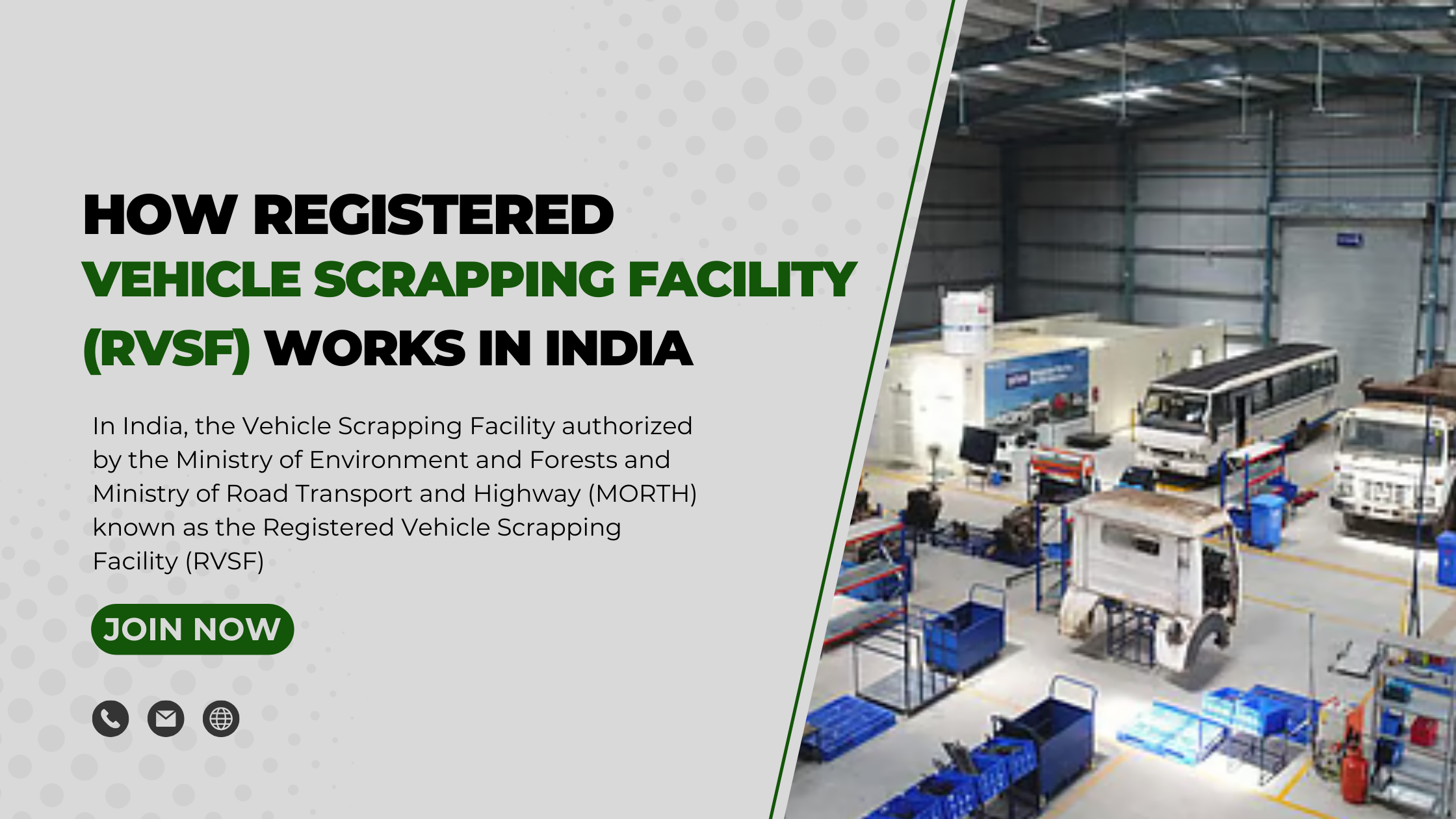
How Registered Vehicle Scrapping Facility (RVSF) works in India
Read More
What EPR E waste Management rules says
Read More
What Tyre Waste Management Rules Says
Read More
What is EPR Battery
Read More