
- Consent
from PCB
- Annual
Return Filing
- Complete Documentations
- Company
Registration
When the E-Waste Management Rules were introduced in India in 2016, the Central Pollution Control Board (CPCB) in rules state that any entity possessing a plot of land, whether located in an industrial zone or classified as non-agricultural land, could have its processing capacity determined based on the size of that land. For example, if an entity owned a 500-square-meter plot, it could obtain an e-waste recycling license authorizing an annual processing capacity of 300 metric tons (calculated at a rate of one metric ton per unit of land area).
However, at that time, there was a lack of proper verification regarding the actual e-waste products being handled, whether they were IT equipment or home appliances. The prevailing procedure in India simply required an applicant to demonstrate ownership of a 500-square-meter plot to secure a recycling license. Under this framework, the applicant was required to install specific machinery, such as shredders and balers, and subsequently request an inspection by the State Pollution Control Board (SPCB); upon successful inspection, the Board would issue the e-waste recycling license.
Challenges facing under E Waste management Rules 2016
The implementation of these rules gave rise to several significant issues. For example, it frequently occurred that entities would secure a licensed processing capacity based on their land area but fail to install the appropriate e-waste processing machinery. Alternatively, they would have the e-waste products dismantled externally, outside of their designated treatment facility, and subsequently bring only the internal components (such as Printed Circuit Boards, or PCBs) into their facility for recycling.
A second major issue was that recyclers would often procure materials from various sources, such as auctions or other companies, and, upon discovering that certain items were still in working condition, would refurbish them and resell them in the open market without actually recycling them. Consequently, no proper records were being maintained regarding these transactions.
Necessary steps taken by Central Pollution Control Board (CPCB)
In light of these various factors, the Central Pollution Control Board (CPCB) and the Ministry of Environment, Forest and Climate Change, working in coordination with the State Pollution Control Boards, have redefined the E-Waste Management Rules for 2022. The revised rules stipulate that e-waste recycling facilities must be established with a product-specific approach. This implies that if you are engaged in recycling IT products, you must install machinery specifically tailored to IT equipment; if you are recycling home appliances, you must install machinery appropriate for those specific devices. Under the new E Waste Management rules CPCB has already defined the list of machinery required.
Now, when setting up a recycling facility, and it is worth noting that the process often involves segregation as the final step rather than merely crushing the products, the CPCB has addressed the nature of the output. When electronics are crushed, segregated, or recycled, the primary yield consists of ferrous and non-ferrous metals such as aluminum, iron, copper, and zinc and frequently includes precious metals like silver and gold as well. Consequently, under the new regulations, the CPCB mandates that recyclers must demonstrate the extraction of a specific, quantifiable amount of these ferrous and non-ferrous metals relative to the total tonnage of waste they are authorized to process; this extraction data must be duly documented and reflected in the recycler's official records.
Nice Initiative taken by Central Pollution Control Board (CPCB) in E Waste Management Rules 2022.
This constitutes a commendable decision by the CPCB and the Ministry of Environment, Forest and Climate Change. The practical outcome of this measure is that whenever e-waste is collected whether directly from a company or through the Extended Producer Responsibility (EPR) mechanism, it will be duly recorded. Furthermore, the raw materials extracted from this waste will be channeled into appropriate handsspe, cifically, they will be sold to authorized manufacturers or authorized downstream recyclers.
How Enviroxperts can assist you
For setting up new E Waste Recycling plant in India or if anyone want E Waste Recycling License you may connect to Enviroxperts team for consulting, filling and submission of application in State Pollution Control Board (SPCB) for Consent to Establish (CTE) , Consent to Operate (CTO) and Hazardous Waste Management Rules Registration (HWM). Further we can assist for EPR registration process under the Central Pollution Control Board (CPCB).
Now, in accordance with the new E-Waste Management Rules, if anyone wishes to set up an e-waste recycling facility, they may reach out to our Enviroxperts team. Our team will provide you with comprehensive consultation regarding current compliance requirements and the specific rules and regulations you must adhere to when establishing the plant. Furthermore, we will guide you on the key operational aspects to keep in mind while running the facility, ensuring that, should the Central Pollution Control Board (CPCB) ever conduct an audit in the future, you are able to clear it successfully.
FAQs – E Waste Recycling License & Rules
1. What is E Waste Recycling License?
E Waste Recycling License is an approval required to set up and operate a facility for processing electronic waste in compliance with CPCB guidelines.
2. What are E Waste Management Rules?
E Waste Management Rules define how electronic waste should be collected, processed, and recycled to ensure environmental safety and proper disposal.
3. Which authority issues E Waste Recycling License?
The license is issued by the State Pollution Control Board (SPCB) along with guidelines from CPCB and Ministry of Environment.
4. Is EPR mandatory under E Waste Management Rules?
Yes, Extended Producer Responsibility (EPR) is mandatory for producers, importers, and brand owners to manage their electronic waste responsibly.
5. What are the basic requirements to set up an E Waste recycling plant?
You need proper land, machinery, environmental approvals, and compliance with CPCB guidelines to establish a recycling facility.
6. How long does it take to get E Waste Recycling License?
The timeline depends on documentation and approval process, but it can be completed faster with proper guidance
Related Blogs
Who are Enviroxperts and How They Help Businesses with Environmental Compliances?
Read More
How to Get an E-Waste License in India? A Complete Guide
Read More
Complete Guide to EPR Registration in India
Read More
How to Import Scrap Batteries in India and its Rules, License & Compliance Guide
Read More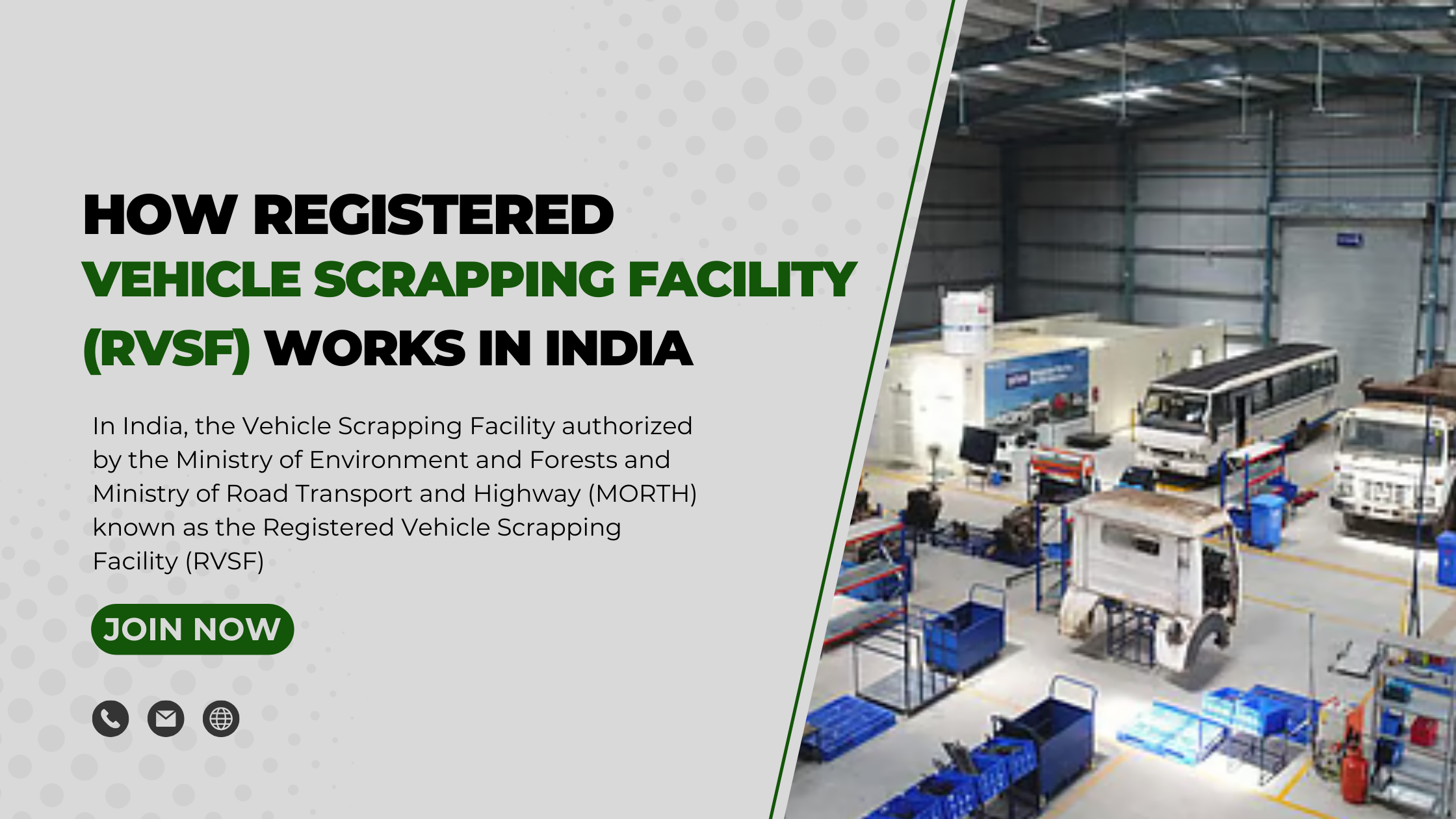
How Registered Vehicle Scrapping Facility (RVSF) works in India
Read More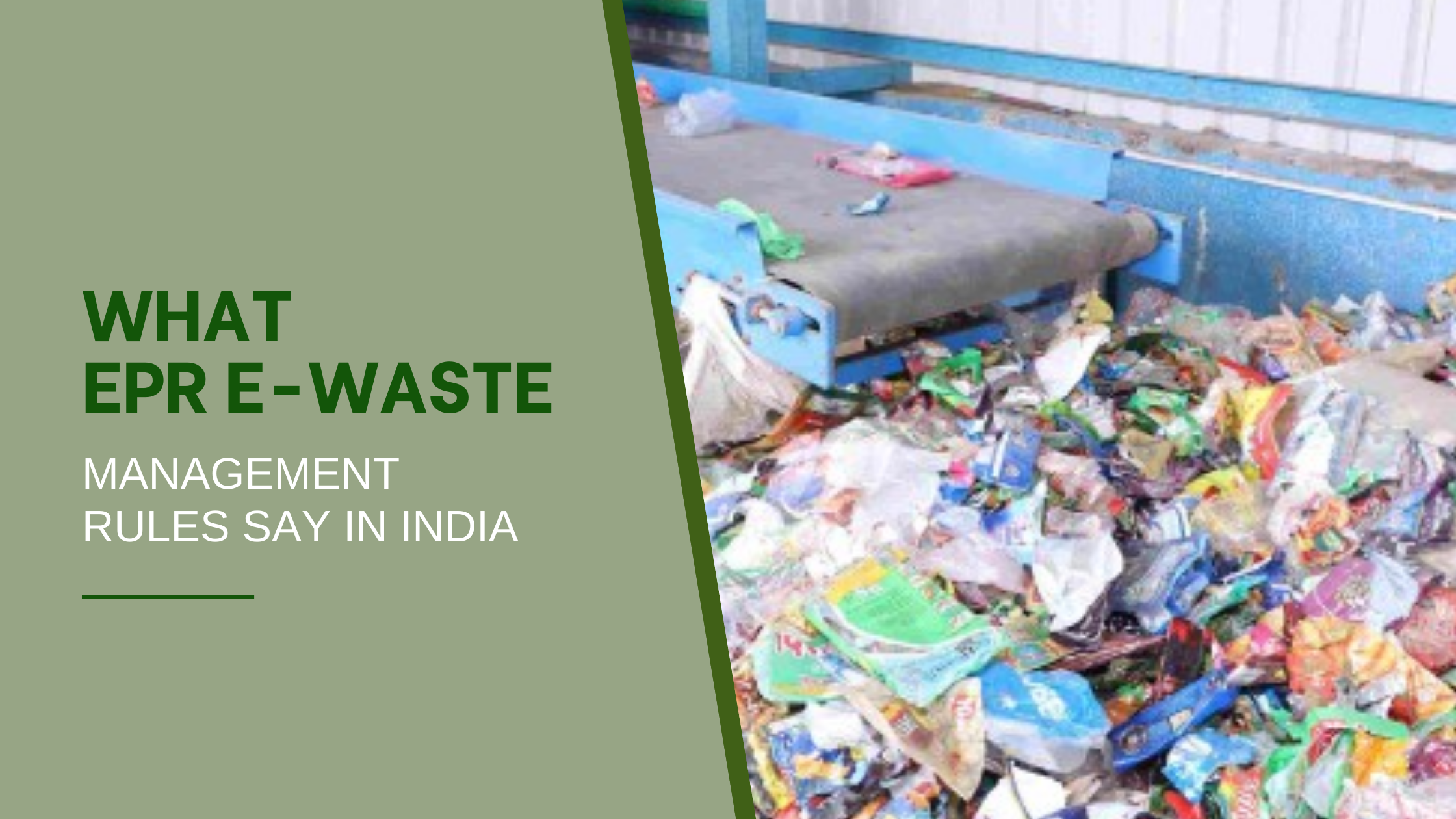
What EPR E waste Management rules says
Read More
What Tyre Waste Management Rules Says
Read More
What is EPR Battery
Read More