
- Consent
from PCB
- Annual
Return Filing
- Complete Documentations
- Company
Registration
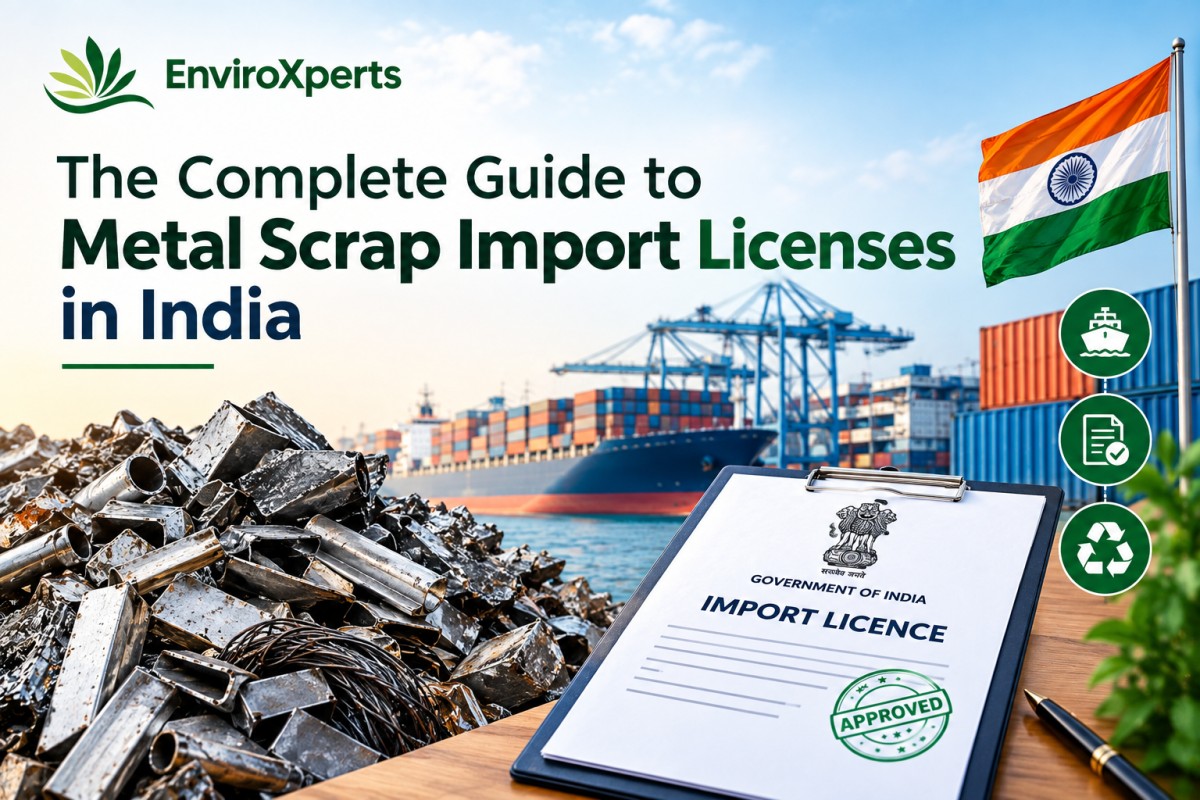
Metal Scrap Import Licenses in Delhi NCR, India
India is developing at an exponential rate with rapid growth in both industry and technology. With this rapid development comes the growth of recycling industries. Recycling facilities with a valid metal scrap import license can play an important role in boosting the circular economy.
A metal scrap import license in Delhi NCR, India is a mandatory document that allows the import of various metal scrap such as copper, aluminium, iron, and steel in India. After recycling, these metals are processed into high-quality goods. We get scrap metal from items like old radiators, aged boilers, used cookers, scrapped washing machines, fencing gates, window frames, discarded automobiles, industrial waste, etc.
There are strict and well-formulated guidelines set by the Directorate General of Foreign Trade (DGFT), under the guidance of the Ministry of Environment, Forest and Climate Change (MOEFCC) and CPCB. Businesses or recyclers need to understand the scrap licensing framework for proper operations and growth.
What are Scrap metals?
Scrap metals are used or discarded metals that are no longer in use and can be recovered and recycled for manufacturing new products. Scrap metals are recovered from appliances, car parts, pipes, wires, drink cans, electronic items, etc. Recycled metal scrap is a cheaper and more sustainable alternative to freshly mined metal. There are strict government regulations for importing scrap metals in India.
Types of Scrap Metal:
Ferrous Metals – These scrap metals contain iron and have magnetic properties. Ferrous metal scrap is very prone to rusting. e.g., steel, cast iron.
Non-Ferrous Metals – These do not contain iron and do not rust easily. e.g., steel, cast iron) Non-ferrous metals are often more valuable.
Both ferrous and non-ferrous metals can be recovered using an established set of technical steps and recycled for producing new industrial products.
Why Do You Need a Metal Scrap Import License?
Scrap metal imported from other parts of the world can pose a severe threat to the environment and human lives. To regulate the nauthorised players in metal scrap recycling do not follow any guidelines. Imported scrap can pose a severe threat to the environment as well as human safety. These may contain hazardous contaminants, non-metallic waste, or unexploded material. To ensure the safe and valuable disposition of these scrap metals, the government has formed fixed and accurate regulations to protect the natural and industrial environment.
Securing a valid metal scrap import license can help businesses in –
- Preventing the illegal dumping of hazardous or contaminated waste material.
- Maintaining compliance as per the national environmental standards and laws.
- Ensuring swift clearance through customs at Indian sea and inland ports.
- Promote safe recycling and ethical resource utilisation.
Who Must Obtain a Scrap Import License?
Businesses, startups, recycling facilities, and traders dealing in the import of scrap metal must register on the DGFT portal for a valid scrap metal license in India.
Types of businesses that require an import license:
- Scrap importers and traders dealing in ferrous or non-ferrous metals.
- Metal recycling units turning scrap into industrial raw material.
- Manufacturing plants using imported scrap directly in production.
- E-waste recycling facilities.
- Dismantling and processing facilities handling heavy metal waste.
Key Categories of Imported Metal Scrap
Metal scrap is divided into two primary categories under Indian trade regulations. Each category is assigned a specific code issued by DGFT.
1. Non-Ferrous Metal Scrap
- Copper scrap
- Aluminium scrap
- Zinc scrap
- Lead scrap
- Nickel scrap
- Brass and bronze scrap
2. Ferrous Metal Scrap
- Iron and steel scrap
- Cast iron scrap
- Stainless steel scrap
- Ship-breaking scrap
- Shredded and mixed metal scrap
Essential Documents Required for Metal scrap import License:
To ensure smooth authorisation and customs clearance, organise your documentation into these four clear packages:
1. Business Documents
- Import Export Code (IEC) from DGFT
- GST registration certificate and PAN card
- Certificate of Incorporation or partnership deed
- Board authorisation letter and audited financial statements
2. Technical and Compliance Records
- MOEFCC authorisations and pollution control board consents
- Pre-shipment inspection certificate (PSIC) and lab test reports
- Site layout plan and storage capacity declarations
- Bill of Entry (Standard or Advance)
- Insurance certificate and customs duty receipt
- Port health clearance (for applicable categories)
Step-by-Step Metal Scrap Import Process
Bringing metal scrap into India involves eight sequential steps:
Obtain an Import Export Code (IEC): Register with the DGFT to get your primary 10-digit identification code for international trade.
Identify the Correct ITC-HS Code: Determine the precise code for your scrap to establish duty rates and inspection rules.
Secure Environmental Approvals: Obtain necessary clearances from the MOEFCC or State Pollution Control Boards for facility compliance.
Apply for DGFT Authorisation: Submit required permissions for restricted or special metal scrap categories.
Arrange Pre-Shipment Inspection: Get a certified Pre-Shipment Inspection Certificate (PSIC) prior to loading overseas.
File the Bill of Entry: Submit detailed import declarations to Customs upon arrival at the port.
Complete Customs Clearance: Pay applicable duties and clear physical container inspections.
Maintain Post-Import Compliance: Keep track of end-use logs, utilisation certificates, and regulatory filings.
Regulatory bodies for providing a metal scrap import license:
The metal scrap import license framework is regulated and monitored by many government bodies. These work in complete tandem to provide comprehensive details on the licensing process and deny licenses to fraudsters.
- Bureau of Indian Standards (BIS),
- Directorate General of Foreign Trade (DGFT),
- Ministry of Environment, Forest and Climate Change (MoEFCC)
These government bodies set guidelines for the enquiry and licence related to the metal scrap import licence and other prerequisites.
DGFT portal has a separate option for submitting the application to recognition the import shipment by the Pre-Shipment Inspection Agency (PSIA). This helps to cover the issuance and electronic verification of pre-shipment certificates for metal scrap.
Understanding which authority is responsible for each stage can help businesses avoid documentation gaps and unnecessary delays.
Conclusion:
To get a complete understanding of the regulatory process for obtaining metal scrap licenses can be a cumbersome process. Partnering with experienced consultancy firms like EnviroXperts simplifies complex filing procedures, minimises port demurrage risks, and guarantees compliance with changing DGFT policies.
EnviroXperts is a renowned consultancy firm that offers comprehensive advisory services for metal scrap import licensing. From DGFT and MOEFCC clearances to PSIC coordination and pollution board consents, We help businesses handle all ferrous and non-ferrous scrap import approvals seamlessly.
Related Blogs

Who are Enviroxperts and How They Help Businesses with Environmental Compliances?
Read More
How to Get an E-Waste License in India? A Complete Guide
Read More
Complete Guide to EPR Registration in India
Read More
How to Import Scrap Batteries in India and its Rules, License & Compliance Guide
Read More
How Registered Vehicle Scrapping Facility (RVSF) works in India
Read More
What EPR E waste Management rules says
Read More
What Tyre Waste Management Rules Says
Read More
What is EPR Battery
Read More