
- Consent
from PCB
- Annual
Return Filing
- Complete Documentations
- Company
Registration
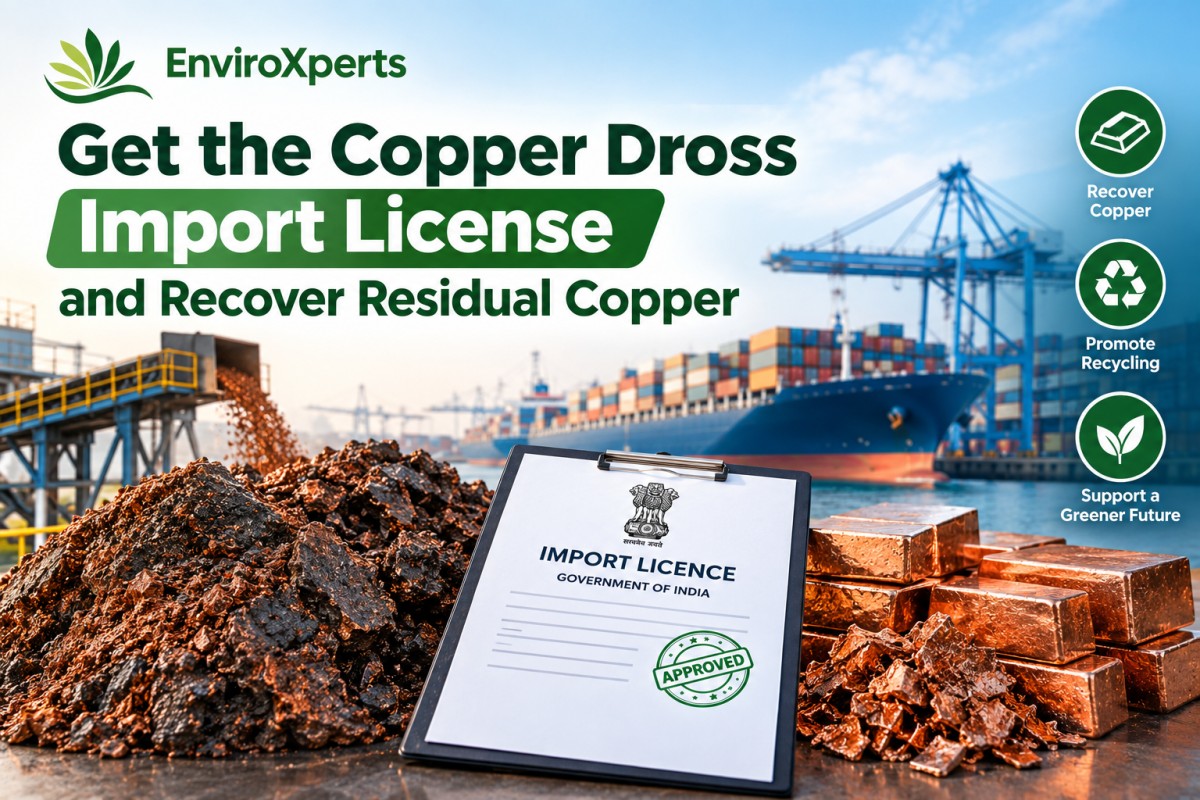
Copper is classified as a critical metal in India as it has marked its presence in every technology advancement. From electric cables to solar panels, it's everywhere. India is facing a deficit in copper, and most of the copper shortage is fulfilled by recycling, as extracting copper from the natural ore is a tedious and expensive process. Recyclers with a valid copper dross import license aim to recover copper from the copper scrap left after the extraction processes.
This minimises metal waste and supports the sustainable development goals of India. The quality of copper ore is declining and the operational costs of mining are on a rise. Copper dross recycling is a commercially practical solution. Copper dross has high concentrations of hazardous metals like lead, copper, arsenic, and tin. Many recyclers with adequate technology use a pyrometallurgical process to recover all the metals separately.
What is a copper dross?
Seeing the rising costs of extraction, recovery of copper and other metals from scrap requires less energy than the production of copper from the main ore. Once the processing of copper scrap and lead is complete using techniques like smelting, methods like pyrometallurgy, electrorefining, and vacuum distillation are used to recover the remaining copper. The impurities are separated from the molten form of the metal and float to the surface. These are actually the oxides of the copper and are called copper dross.
It is a hazardous material and consists of heavy metals such as lead, copper, arsenic, and tin.
Why is recycling copper better than extracting?
Copper recycling is always a better way to get high-grade copper as a secondary raw material. Here are some of the benefits.
- Cost-efficient method - Recycling copper scrap and copper dross is a cheaper way, as it consumes 15 to 20 % less energy compared to copper ore extraction.
- Sustainable method - All the metals fall under the non-renewable source of energy, and since copper is used in large quantities, it is important to conserve it. Using imported copper dross can preserve the reserve.
- Protect environment - Unrecycled copper dross is dumped into landfills. As it contains hazardous metals, there is a huge risk of environmental degradation, if not recycled properly.
- Revenue-generating method - Recycling copper dross is a great revenue-generating method. Recyclers and businesses involved in the import of copper dross use it to recover copper metal and then sell it to industries involved in technology manufacturing.
Benefits of a copper dross import license:
Recyclers need a valid certificate for importing copper dross to India. A copper dross license offers credibility to the recycling facility. These recycling business firms also get operational and strategic support from the government. This license enables the recycling firm to start a regulated import of copper dross and recycle it in India, using various methods to recover copper.
Fulfilling the demand: To fulfill the demand for copper as a raw material in various industries, we can use copper dross for extracting copper.
Energy and cost efficiency: Copper Drosss recycling is a cost-effective way to recover copper from the waste left after the recycling of scrap.
Multi-metal recovery potential:
Recycling methods to obtain copper from copper dross:
We all know that our copper reserves are not infinite, just like any other non-renewable resource. Since the advent of industrialisation, copper has been used in large quantities. By recycling copper dross, we can utilise the existing copper and our reserves last longer. This promotes sustainable development of the
nation as it protects our environment. Many advanced methods, like chemical reaction, electrochemical deposition, X-ray diffraction (XRD), and thermal gravimetric analysis (TGDTG) have been used to study the chemical and physical properties of pure copper recovered after the recycling process of copper dross scrap.
Recycling facilities need adequate machinery to recycle the copper dross and other hazardous metals, as they pose a threat to environmental security without scientific treatment. Copper dross is recycled using distillation and two-stage condensation in vacuum methods.
The recovered copper content from the recycling of copper dross depends on the distillation and condensation conditions, such as temperature, pressure, time, and the quality of the copper dross. Lead and copper primarily exist as sulfides and arsenicals in the copper dross, which could be efficiently separated and recycled with a leaching process. This produces copper sulphate. To reduce arsenic leaching, concentrated H2SO4 is used to reclaim copper from the copper dross. In comparison to the leaching process, the pyrometallurgical process has outstanding advantages. Most smelters currently use the soda-iron scrap method to treat copper dross, in which iron scrap reduces lead sulphide to metallic lead and soda.
What is the Regulatory Framework for Copper Dross Import?
As stated, copper dross is categorised as a hazardous material due to the presence of heavy metals like lead, arsenic, tin, etc. Due to this, the import and management of copper dross is regulated under the MoEFCC. All the environmental approvals and foreign trade laws are to be fulfilled before the import of the copper dross. The Hazardous and Other Wastes (Management and Transboundary Movement) Rules, 2016, under the MoEFCC, provide the complete framework for regulating the import and export of copper dross.
The Directorate General of Foreign Trade (DGFT) under the Ministry of Commerce and Industry formulates the rules for licensing requirements. Before applying for the import license, recycling facilities must have all the necessary approvals from the concerned SPCB/PCC.
Not every material described as copper dross has the same import status. Check and verify its specific classification and the current conditions imposed by the relevant authorities before making any business decision.
Conclusion:
Despite the limited technology availability in copper dross recycling, India has seen a surge in copper recycling over time. Recyclers aim to recover maximum copper from the otherwise copper dross so that the domestic copper needs of indian industries are fulfilled without high investments. Global trade of copper scrap imports in India is rising, and hence the demand for copper dross. EnviroXperts is a reliable Copper Dross import license consultancy in India. We assist startups, recyclers, and businesses in understanding the comprehensive documentation and import framework for hazardous waste. With a clear understanding of the compliance requirements and regulatory framework, you can earn great profits and build a customer base in copper dross recycling.
Related Blogs

Who are Enviroxperts and How They Help Businesses with Environmental Compliances?
Read More
How to Get an E-Waste License in India? A Complete Guide
Read More
Complete Guide to EPR Registration in India
Read More
How to Import Scrap Batteries in India and its Rules, License & Compliance Guide
Read More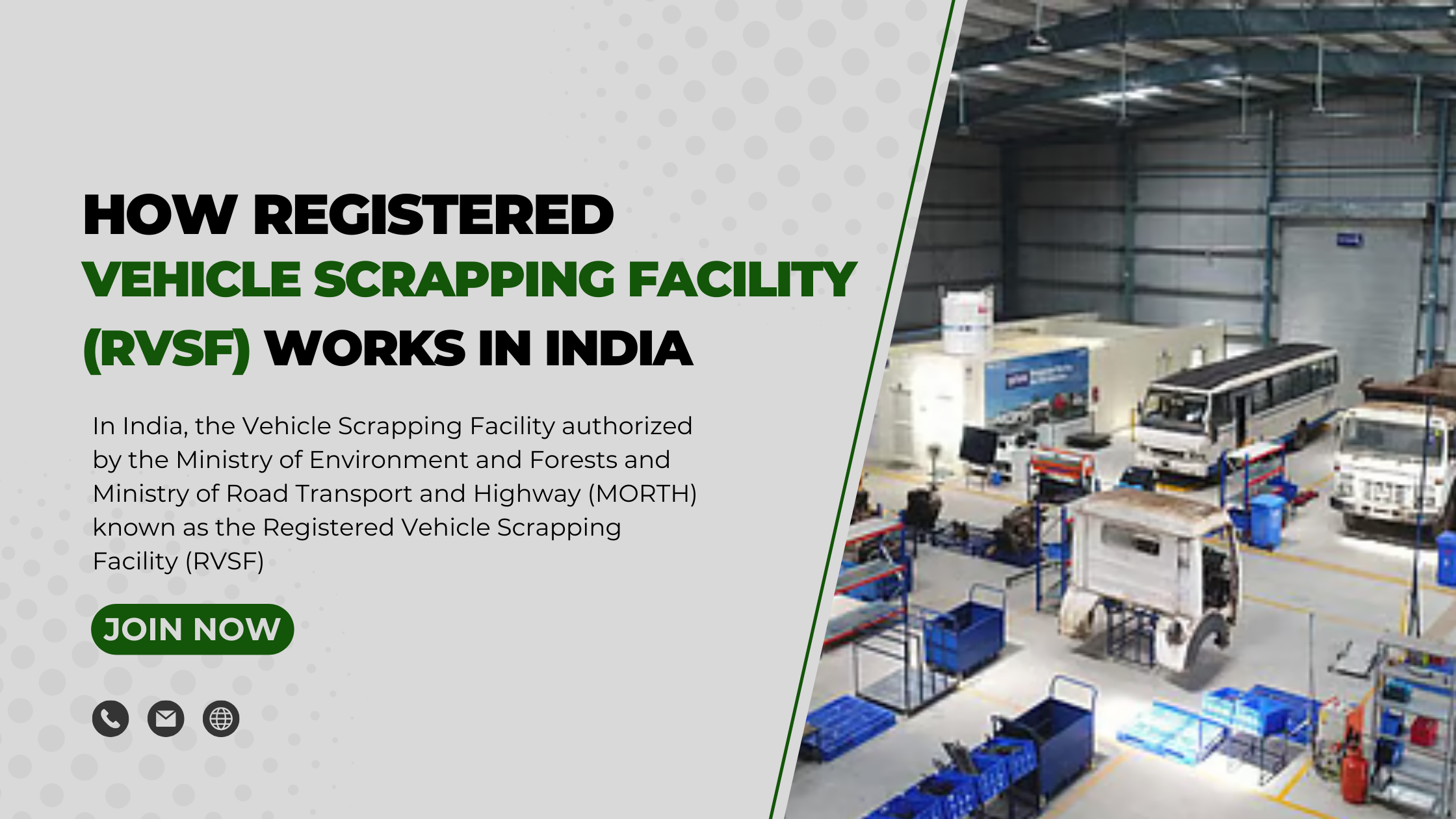
How Registered Vehicle Scrapping Facility (RVSF) works in India
Read More
What EPR E waste Management rules says
Read More
What Tyre Waste Management Rules Says
Read More
What is EPR Battery
Read More