
- Consent
from PCB
- Annual
Return Filing
- Complete Documentations
- Company
Registration
Setting up a lithium-ion battery recycling facility in India requires proper planning, regulatory approvals, and compliance with environmental laws. Businesses seeking guidance for obtaining a Lithium-Ion Scrap Battery Recycling License In India must follow the framework defined under the Battery Waste Management Rules, 2022.
To operate legally, companies must secure a Battery Recycling License along with a Scrap Battery Recycling License, depending on the scope of their recycling activities. These approvals ensure that battery waste is handled, stored, and processed in a safe and environmentally responsible manner.
For lithium-ion specific operations, obtaining a Lithium-Ion Battery Recycling License is essential. It allows businesses to manage hazardous battery waste while complying with pollution control and safety standards set by authorities.
The licensing process involves submitting key documents such as business registration, plant layout, recycling process details, and environmental safety measures. This becomes especially important for businesses planning a recycling facility, as approvals are directly linked to plant setup and operational readiness.
Having the required licenses in place not only ensures legal compliance but also helps businesses avoid penalties and build credibility in the recycling industry. It also enables participation in structured waste management systems like Extended Producer Responsibility (EPR).
How to become a Registered Lithium Ion Battery Recycler In India
- Firstly, you have to arrange a land either in an industrial area or it can be a non- agricultural land.
- Then they have to process the application in the State Pollution Control Board (SPCB) for Consent to Establishment (CTE) .
- After that it is required to set up the machinery , in which a recycler has to share that after crushing of Lithium ion batteries he will extract Copper, Aluminium, Steel, and Black Mask. Black mask is a mixture of precious metals. Which can be further extracted with the help of metallurgical process.
- After proper setup of machinery , it is required to submit the application for Consent to Establishment (CTO) and Hazardous Waste Management Authorization (TSDF). In HWM Authorization , it is required to sign an agreement with the TSDF facility.
- After getting the above mentioned approval the recycler has to submit the application form to register under Battery Waste Management Rules and have to get the EPR Authorization from Central Pollution Control Board. (CPCB). After getting this authorization only a Battery recycler can start the credit transfer services.
How Enviroxperts Can Help
Enviroxperts provides end-to-end consultancy support for businesses looking to obtain a Lithium-Ion Scrap Battery Recycling License In India and related approvals. Our team assists with documentation, application filing, and coordination with authorities to ensure a smooth approval process. We can assist you in the filling for CTE, CTO, HWM and EPR compliances.
We help businesses secure a Scrap Battery Recycling License, ensuring full compliance with regulatory requirements. From initial planning to final approval, we also guide companies through the entire setup process of lithium-ion recycling facilities.
With our expertise, businesses can avoid delays, reduce compliance risks, and focus on building a sustainable and efficient recycling operation.
Related Blogs
Who are Enviroxperts and How They Help Businesses with Environmental Compliances?
Read More
How to Get an E-Waste License in India? A Complete Guide
Read More
Complete Guide to EPR Registration in India
Read More
How to Import Scrap Batteries in India and its Rules, License & Compliance Guide
Read More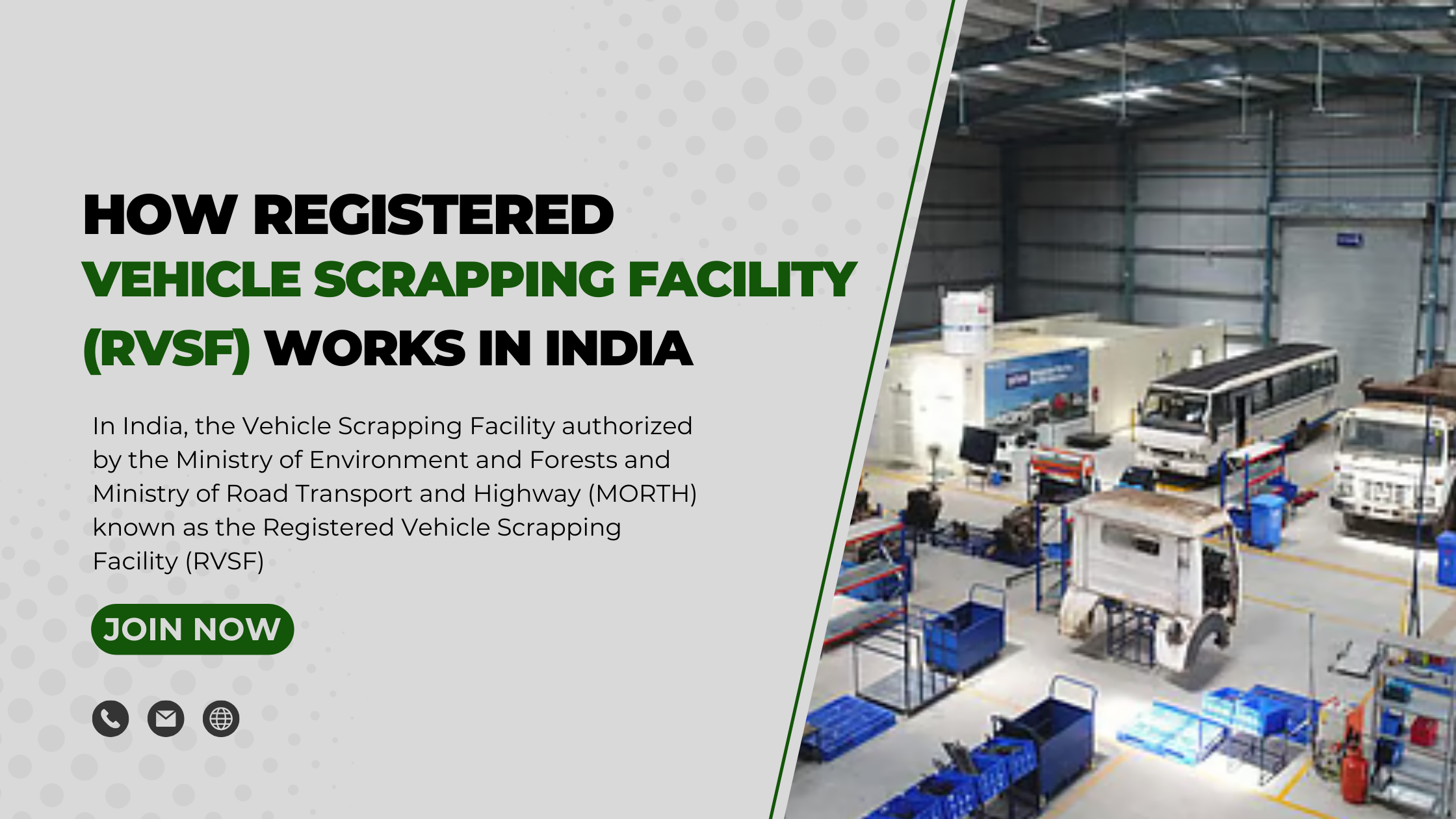
How Registered Vehicle Scrapping Facility (RVSF) works in India
Read More
What EPR E waste Management rules says
Read More
What Tyre Waste Management Rules Says
Read More
What is EPR Battery
Read More