
- Consent
from PCB
- Annual
Return Filing
- Complete Documentations
- Company
Registration
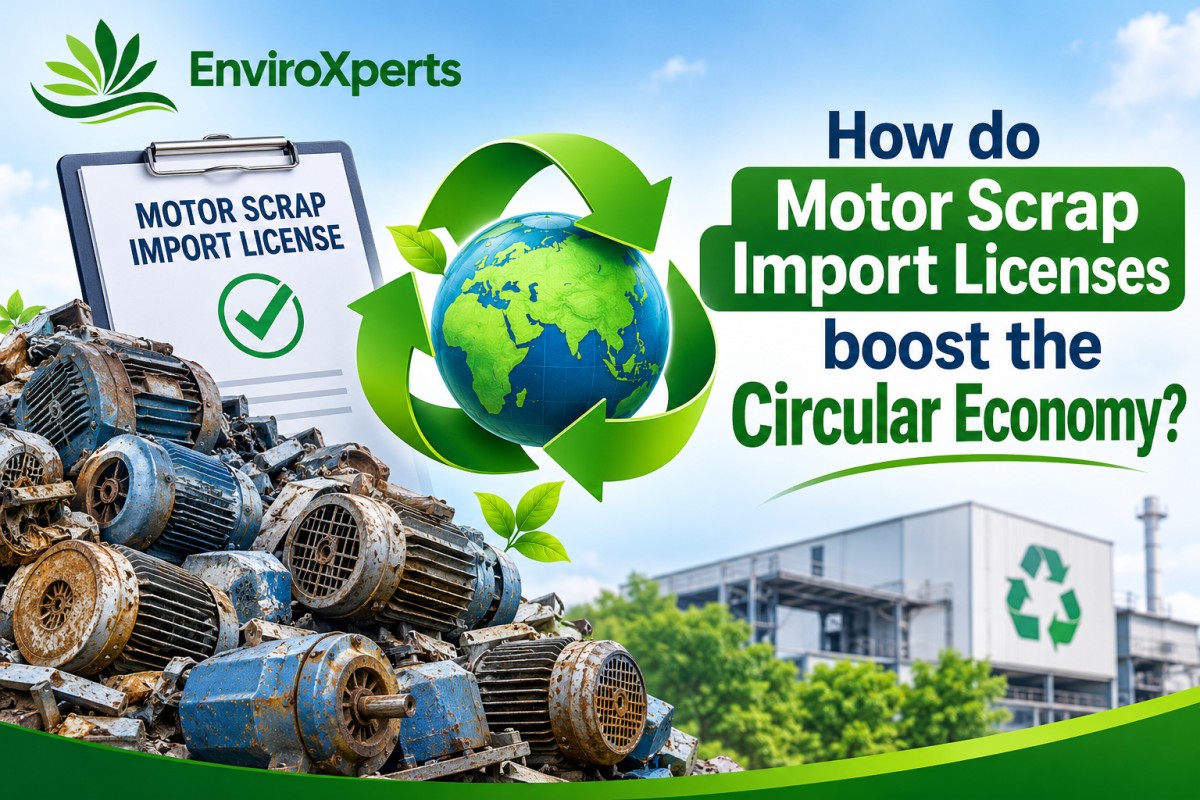
India has witnessed mammoth growth in vehicular traffic, and this directly signifies the growth of vehicles in the last decade. To ensure environmental safety, India is taking its end-of-life vehicles (ELVs) off the road and operating recycling programmes. Motor scrap recycling is covered under the metal scrap recycling category, as both ferrous and non-ferrous metals used in automotive parts can be recycled and reused.
A motor scrap import license is a mandatory document that allows recyclers to set up a recycling facility for dismantling, refining, and recovering non-ferrous and ferrous metal scrap. By 2030, the country is expected to have around 22 million end-of-life vehicles (ELVs), generating tonnes of motor scrap every year. Responsible motor scrapping can shape a country's ambitions to build a circular economy.
With the announcement of the Vehicle Scrappage Policy in 2021, India has licensed Registered Vehicle Scrapping Facilities (RVSFs) to recycle End-of-Life Vehicles and enable automotive manufacturers to fulfill their Extended Producer Responsibility (EPR) compliance.
What is Ferrous and Non-ferrous motor scrap?
Automobiles use ferrous and non-ferrous metals in their parts. Ferrous metals like steel are used in making the chassis, car body, doors, and other suspension components. Stainless steel is used in the exhaust system. Non-ferrous metals like aluminium are used in the manufacturing of cylinder heads, vehicle wheels, and other body panels. Copper is used in wiring inside automobiles, while non-ferrous zinc is used in the manufacturing of die-cast components.
Ferrous motor scrap is stronger and needs advanced recycling procedures, while non-ferrous scrap can be easily recycled. The growing demand for ecological safeguarding and expanding the circular economy is driving the need for motor scrap import licenses. It is a mandatory document for recyclers, traders, and importers to engage in the recycling and reuse of scrap metal.
Recycled motor scrap is used in automobile manufacturing, construction, and other industries. PIBOs meet their EPR compliance mandates by coordinating with Registered Vehicle Scrapping Facilities (RVSFs) for EPR certificates.
What is the classification of motor scrap under the Indian Custom Tariff Act?
Motor scrap import is regulated as per the guidelines of the MoEFCC to keep radioactive, explosive, and hazardous material from being imported into India.
India’s Customs Tariff Act, 1975 classifies metal scrap as ferrous and non-ferrous metals under the first schedule.
The government has set the Basic Customs Duty (BCD) rate on ferrous and non-ferrous scrap to regulate the import cost of motor scrap.
|
Metal Scrap Category (harmonised code) |
Standard Tariff BCD |
Effective BCD |
|---|---|---|
|
Iron and steel scrap (7204) |
5% |
Nil |
|
Copper scrap (7404) |
Nil for specified categories |
Nil |
|
Aluminium scrap (7602) |
2.5% |
2.5% |
|
Lead scrap (7802) |
Nil |
Nil |
|
Zinc scrap (7902) |
Nil |
Nil |
What is a Pre-Shipment Inspection Certificate (PSIC) for Motor Scrap?
Imported motor scrap first requires a PSIC certificate (with exceptions for scrap originating from specific countries like the UK, USA, Canada, Australia, New Zealand, and EU countries). A PSIC is issued by Pre-Shipment Inspection Agencies (PSIAs). These agencies are authorised by the DGFT under the Ministry of Commerce and Industry.
A PSIC is issued only if the imported metal scrap does not include radioactive contamination, explosives, arms, ammunition, shells, or cartridges. A PSIC is mandatory for all ferrous scrap, non-ferrous scrap, and mixed metal scrap consignments. The certificate must be obtained before the vessel sails from the origin port. As per the latest DGFT provisions, there are 11 designated seaports for exempted scrap shipments to enter India.
The exporter submits the commercial invoice, packing list, and supporting documents. The PSIA carries out an inspection on material quality, radiation readings, and weight verification. A PSIC is then issued once the applicable requirements are met and the final shipping documents have been reviewed.
What are the DGFT Rules for Motor scrap import license?
The Foreign Trade Policy 2023–2028 is the regulatory structure for the import of motor scrap into India. Under this policy, metal scrap falls into one of three categories:
- Free (Metal scrap importable without a valid licence)
- Restricted (Metal scrap that requires a specified import licence from DGFT)
- Prohibited (Cannot be imported under any circumstances)
DGFT issues an Import Export Code (IEC) to any commercial importer and trader. Radiation Portal Monitors (RPMs) are used at seaports to check imported motor scrap for hazardous radiation as per international standards.
List of Documents Needed to Import Scrap into India:
The documentation process is complex and requires a complete list of mandatory documents along with a clear understanding of the registration process. DGFT under the Ministry of Commerce and Industry sets clear guidelines for interested recycling facilities and traders to acquire a valid motor scrap import license.
After securing the motor scrap import license, all relevant documentation must travel with every consignment as the customs authorities require these documents for clearance issuance. Recyclers or traders failing to produce these documents are subject to shipment impoundment.
Documents required by the recycler for importing motor scrap into India:
- Import Export Code (IEC) from DGFT
- GST registration certificate of the firm
- PAN card of the recycler
- Facility layout plan
- Certificate to Operate issued by SPCB
- DGFT approval
- CPCB and SPCB consent certificates
- Pre-shipment inspection certificate (PSIC)
- Verified shipment lab test reports
- Bill of Entry issued by the importer (Standard/Advance)
- Insurance certificate by an authorised insurance company
- Customs duty receipt for customs clearance
- Recycler-Trader aggrement
Documents required by traders for the import of motor scrap:
1 .Commercial Invoice
2. GST registration certificate.
3. Packing list
4. Bill of Lading
5. Certificate of origin
6. Environmental clearance certificate
7. SPCB/PCC consent certificate
8. Recycler-trader aggrement
Conclusion
Importing motor scrap is a complex process that demands skillful attention to regulatory compliance, complete and accurate documentation, and a valid license for successful import. With a structured approach that includes verifying all the necessary guidelines as mentioned by the MoEFCC, CPCB, and DGFT, a recycling business can generate high returns.
EnviroXperts is a reliable licensing consultancy assisting and guiding businesses, startups, and recycling facilities to understand the complete process required for the motor scrap import license. Businesses can secure a valid license by maintaining accurate records and fulfilling other compliance processes.
A profitable motor scrap import business runs on complete compliance fulfillment. Recycling of scrap metal gives a boost to the circular economy, as recycled ferrous and non-ferrous metals can be used as secondary raw materials.
Related Blogs

Who are Enviroxperts and How They Help Businesses with Environmental Compliances?
Read More
How to Get an E-Waste License in India? A Complete Guide
Read More
Complete Guide to EPR Registration in India
Read More
How to Import Scrap Batteries in India and its Rules, License & Compliance Guide
Read More
How Registered Vehicle Scrapping Facility (RVSF) works in India
Read More
What EPR E waste Management rules says
Read More
What Tyre Waste Management Rules Says
Read More
What is EPR Battery
Read More