
- Consent
from PCB
- Annual
Return Filing
- Complete Documentations
- Company
Registration
The electric vehicle revolution has given India a treasure trove. Black mass is recovered from used or spent lithium-ion batteries of these electric vehicles. India has a well-regulated lithium-ion battery black mass recycling framework. This framework marks a significant milestone in meeting India's growing critical minerals demand. This move could boost India's PM E-Drive mission for EV adoption and improve the charging infrastructure. Empowering India's domestic black mass refining capabilities will significantly accelerate the EV ecosystem and promote renewable energy goals.
Lithium, cobalt, nickel, and manganese are recovered from the recycling of used EV batteries. Battery recycling can recover these critical metals and reuse them for the manufacturing of new batteries. The National Critical Mineral Mission aims to strengthen India's critical mineral supply chains, and structured regulations on the export of black mass could be monumental in filling the gap between demand and supply.
What Is Lithium-Ion Battery Black Mass?
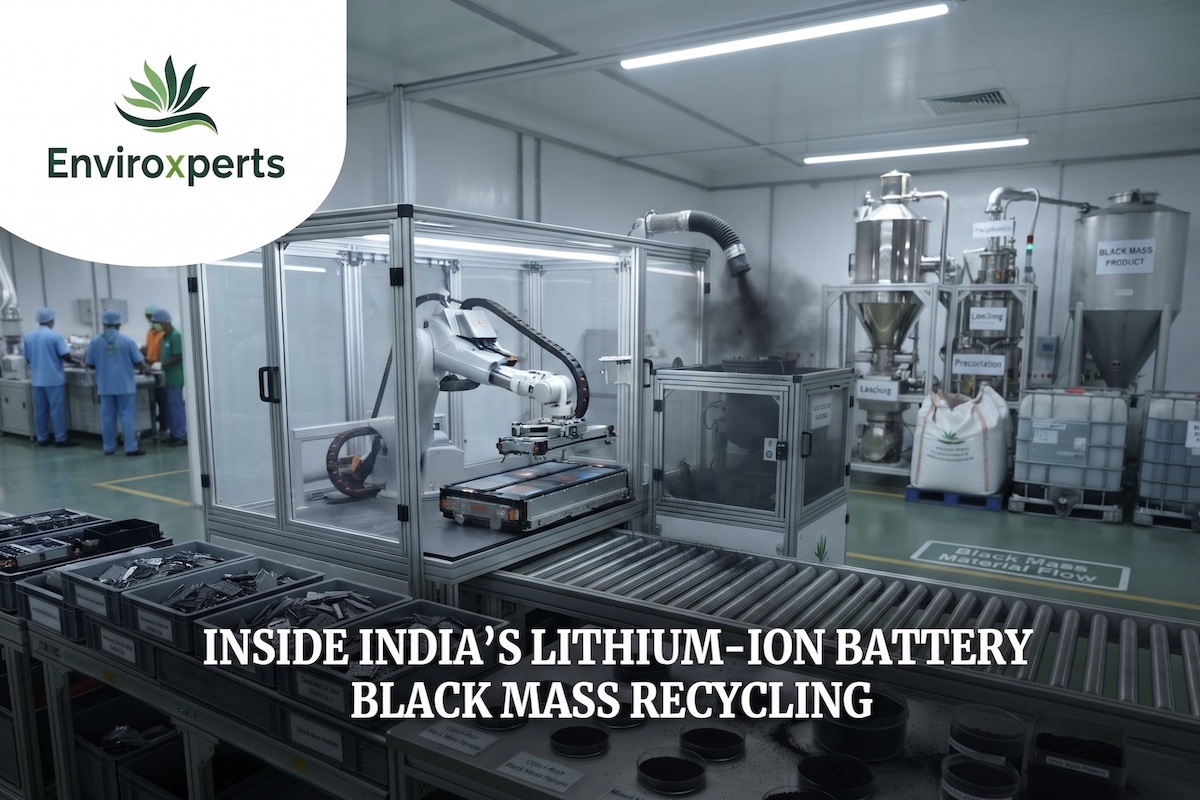
Lithium-ion batteries used in electric vehicles comprise valuable metals such as lithium, copper, manganese, cobalt, and nickel. Once the battery reaches end-of-life (EOL), recyclers in India dismantle and recycle it to get a black-coloured, shiny, metallic and powdery mixture called 'black mass'.
Black mass is a powder-like material, and the black color is due to the high concentrations of graphite contained in the anodes of batteries, as the black mass contains valuable metals that make up battery anodes and cathodes. Black mass makes up about half of the total weight of an EV battery. Recyclers with advanced recycling techniques can efficiently recover critical metals like lithium, cobalt, nickel, and manganese. The critical metals recovered can be used as secondary material for manufacturing, electric vehicles, energy storage systems, electronics, and other industrial applications.
As demand for battery materials increases, discarded batteries and manufacturing waste are becoming important secondary sources of critical minerals.
Benefits of domestic lithium-ion battery black mass recycling:
With India's rapid expansion in electric mobility and green energy initiatives, there is a sharp rise in critical metal demand. Recyclers are using advanced hydrometallurgical and electrometallurgical refining facilities to improve their recovery capacity. However, some domestic facilities are not being fully utilised because of inadequate availability of raw material. India is a developing nation, and it relies on imports for several critical minerals for faster EV adoption materials. Basel Convention guidelines under strict waste classification and prior informed consent allow the lithium-ion battery scrap export.
Lithium, cobalt, nickel, and manganese are important materials used in different battery technologies and industrial applications. There are multiple benefits of regulated domestic Lithium-ion battery black mass processing:
- It will strengthen the domestic supply of critical minerals.
- Advanced recycling of black mass to recover and reuse critical minerals in the domestic EV industry
- Improve the availability of raw material for recycling
- Fill the demand-supply gap of critical minerals
- Reduce raw material import dependence while permitting up to 40% export of production
- Increase the raw material capacity utilisation and promote investment in the recycling sector
- Economically viable way to reduce the cost of manufacturing
The government expects the regulatory framework to support domestic recovery of critical minerals through hydrometallurgical and electrometallurgical processing, while strengthening supply chains for battery manufacturing, electric vehicles, energy storage, and clean-energy technologies under standard Basel numbers.
How does boosting domestic recycling benefit the National Critical Mineral Mission?
To balance exports with domestic critical mineral recovery, MoEFCC has implemented an export capping of 40%. This allows the PIBOs to export the 40% of the scrap produced and reinforces the goals of the National Critical Mineral Mission (NCMM). Recent incentive scheme announcements by the government promote critical mineral recycling and aim to develop domestic recycling infrastructure for the dismantling, hydrometallurgical and electrometallurgical processing, recycling, and reuse of the critical metals like lithium, cobalt, nickel, and manganese.
Regulating the black mass export can fulfil the domestic supply needs, reduce dependence on imported battery scrap and support domestic EV expansion. Retaining substantial Lithium-ion battery black mass within India ensures sustainable recycling of end-of-life batteries and promotes a circular economy. The policy improves the recycling capacity of India and recovery of high-value metals like lithium, cobalt, nickel, and manganese.
In the absence of the export, higher availability of black mass will encourage better investment participation by established industry leaders in high-end recycling technologies and refining infrastructure. The recovered materials could contribute to supply chains serving electric vehicle manufacturers, battery producers, electronics companies and energy storage projects.
Conclusion
Businesses venturing into the scrap metal recycling sector can avail themselves of the benefits of the Lithium-ion battery black mass export policy. This framework can strengthen their ability to process black mass and recover valuable minerals efficiently. The recycling sector will get a new boost in terms of investment in mineral refining, hydrometallurgical/electrometallurgical processing technologies, and improved recycling infrastructure. EnviroXperts is a reliable black mass recycling compliance and approval consultancy firm. Businesses get assistance in understanding and completing the complex documentation required for the environmental compliances. Processing and refining battery waste in India can significantly improve the domestic critical metal recovery capacity. Empowering domestic recyclers will provide new investment opportunities and more battery recycling setups. This will play an important role in the implementation of the government's wider critical mineral recycling initiatives.
Are you ready to turn this opportunity into a high-revenue business model? Get in touch with EnviroXperts for expert guidance on black mass recycling plant setup and other mandatory documentation requirements.
Related Blogs

Who are Enviroxperts and How They Help Businesses with Environmental Compliances?
Read More
How to Get an E-Waste License in India? A Complete Guide
Read More
Complete Guide to EPR Registration in India
Read More
How to Import Scrap Batteries in India and its Rules, License & Compliance Guide
Read More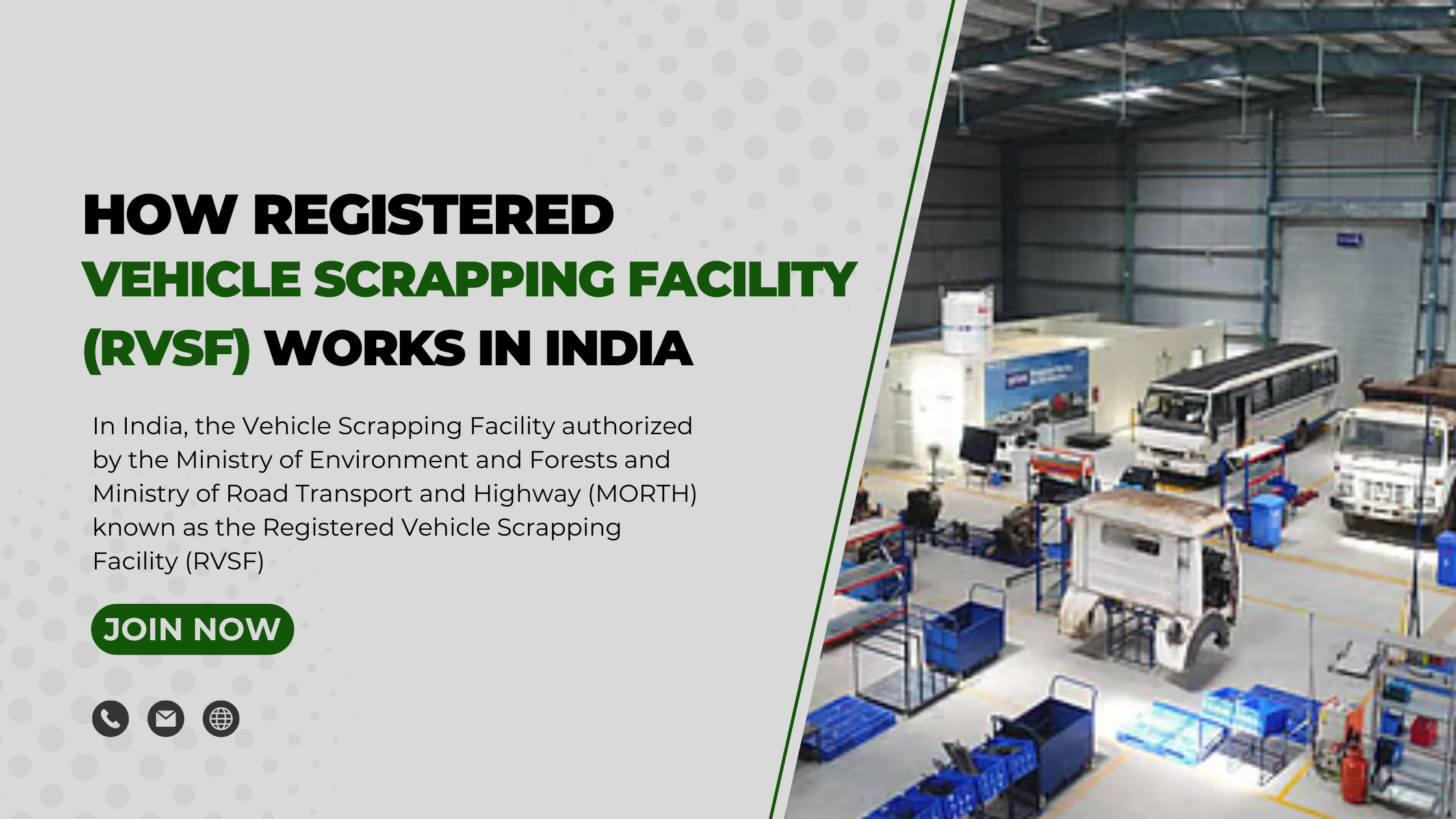
How Registered Vehicle Scrapping Facility (RVSF) works in India
Read More
What EPR E waste Management rules says
Read More
What Tyre Waste Management Rules Says
Read More
What is EPR Battery
Read More