
- Consent
from PCB
- Annual
Return Filing
- Complete Documentations
- Company
Registration
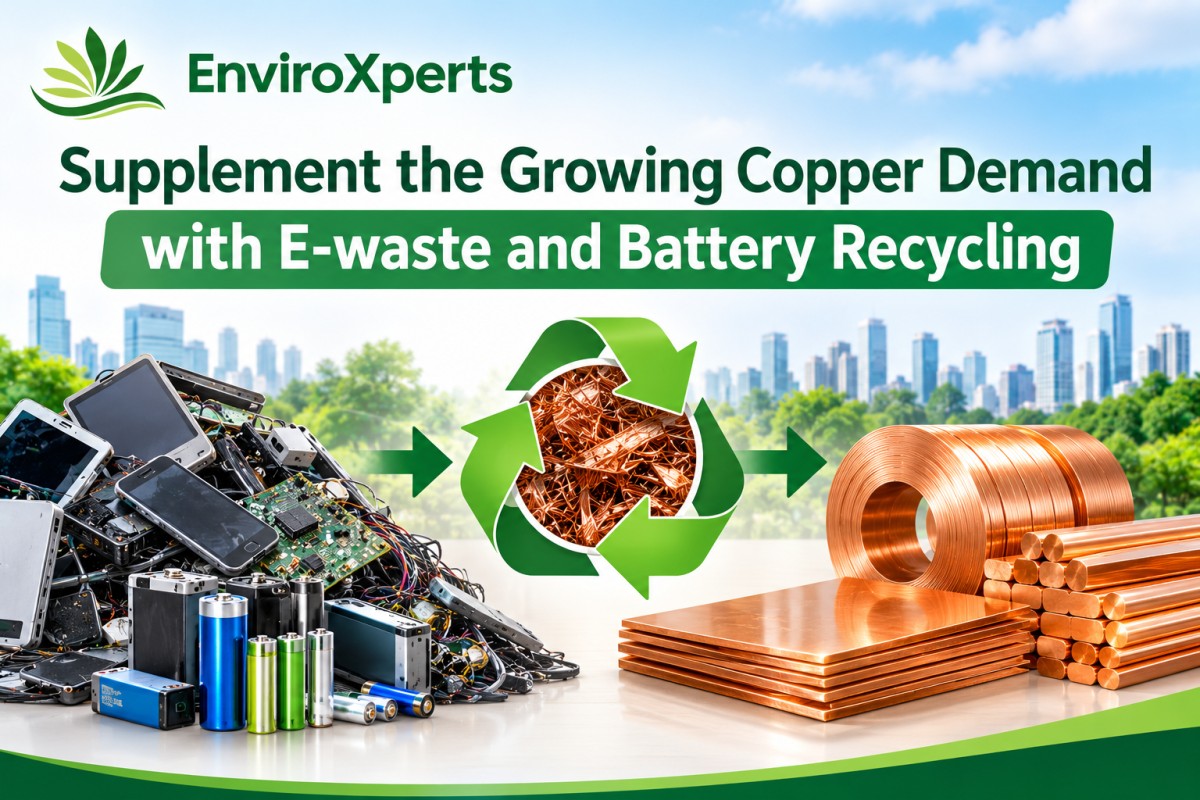
Artificial intelligence (AI) is taking over mankind. Be it any industry or aspect of life, AI has become an integral part of the technology ecosystem. The demand to power the huge data centres that form the main pillar for AI has exponentially increased the demand for copper. Electric vehicles also use copper in lithium-ion battery manufacturing. This indicates a surge in copper demand to fulfil the green energy transition. India has sustainable development at its core, and the copper supply-demand gap can be filled with E-waste and battery recycling technologies.
Copper demand in AI infrastructure:
AI infrastructure is driven by data centres, and these data centres need uninterrupted power supply. Transmission lines, substations, and grid upgrades use copper for efficient power transmission, as it has high electrical conductivity. High thermal conductivity of copper supports heat exchangers for the cooling of AI servers in large data centres. Copper is used in cables, busbars, power distribution strips, connectors, transformers, and cooling systems.
Properties like high ductility and malleability allow copper to be shaped into compact connectors and other components used in the server rooms. It is also used in high-capacity cabling, switchgear, and transformers. Copper is crucial to the data centre's infrastructure.
Surge in copper demand in the Electric Vehicle industry
In a bid to promote clean energy, India is promoting the adoption of EVs. With rising demand for electrification of vehicles, copper demand is also accelerating as it is used in the anode current collector in lithium-ion batteries used to run EVs. Copper is also used in the internal windings of the electronic control unit, onboard charger, display panel, inverter, etc.
The world is shifting away from hydrocarbons to sustainable sources of energy like solar, wind, and geothermal. Copper is a core non-ferrous metal with all the necessary physical properties to transform and transmit these sources of energy to their usable state. It is estimated that by 2030, copper demand will see a huge surge.
Copper crisis and the role of E-waste and Battery recycling in bridging the supply-demand gap:
Copper has a critical role in the EV revolution and AI development. It powers data centres for AI and forms a reliable battery storage system for EVs. E-waste is generated in large quantities from EVs that have display panels, onboard chargers, and electronic control units, and once they reach end-of-life, these components of EVs can be recycled to recover copper.
Lithium-ion batteries become a great source of secondary raw material once they reach end-of-life, as they contain valuable metals like lithium, cobalt, nickel, and copper. Copper is recovered from the wiring and connectors of the anode current collector plate. The recovered materials can be a great source of secondary raw material. AI data centres, like large servers, PCB boards, networking equipment, hard disk and solid-state devices, generate E-waste.
Battery waste from EVs and data centres:
The fast adoption of electronic devices and gadgets has led to a surge in electronic waste and battery waste. Battery waste has serious environmental and health challenges if not discarded properly, as it has hazardous material in it. Battery energy storage systems (BESS) used in EV charging systems generate lithium, copper, and aluminium as waste material once they reach their end-of-life.
UPS and backup power equipment used in the data centres generate battery waste, and without a regulated battery recycling system, we cannot get enough copper to bridge the supply-demand gap. Battery recycling provides better revenues through the recovery of high-value copper and other usable materials. Safe battery dismantling is followed by hydrometallurgical recycling to get high-quality material like copper as per international standards. Other methods like chemical leaching are also used to recover copper, but it is a hazardous method.
Efficient recycling of lithium batteries offers the recovery of 80% of lithium from end-of-life batteries. This could significantly reduce India’s dependence on imports of copper and help to boost the circular battery economy.
We all know that mining copper from the ore is a time-consuming, environmentally polluting, and financially demanding process. E-waste and battery recycling are sustainable processes and provide copper as a secondary material for many industries. Battery recycling can give recovered copper for use in various industries like consumer electronics, EV manufacturing, gadget manufacturing, etc.
How to get E-waste recycling license and Battery recycling license?
The recycled materials must meet required quality standards before being used as a raw material for other industries. Recyclers in India need a valid E-waste recycling license (as per the guidelines of the E-waste Management Rules) for processing E-Waste. Battery recycling license compliance is regulated by the Battery Waste Management Rules, 2022. These rules are applicable to all types of batteries regardless of chemistry, shape, volume, weight, material composition and use.
Businesses involved in the manufacturing of EV batteries must comply with their EPR obligations. As per the guidelines laid down by MoEFCC, producers, recyclers, and refurbishers of batteries must apply for registration. This registration is done through the official CPCB portal. Other mandatory approvals are obtained from the concerned SPCB portal. Recyclers need approvals like consent to establish (CTE) and consent to operate (CTO) for starting their facility. These facilities are capable of recycling EV batteries, electronics, and other data centre waste to recover a significant volume of valuable copper metal.
Conclusion:
The 21st century is marked with the rapid evolution of technology and the development of technology. The rapid consumption of electronics has transformed India into a global powerhouse, but this growth has increased the demand for critical metals like copper. India is one of the world's highest generators of E-waste in the world.
With advanced recycling technologies, we can recover and reuse the valuable copper from the e-waste and help meet the growing demand for the metal. EnviroXperts is a trusted e-waste and battery recycling consultancy providing practical licensing and approval solutions across the globe. With a comprehensive approach to regulatory obligations, businesses and recyclers can understand the licensing requirements and secure a recycling license without any application errors.
Related Blogs
Who are Enviroxperts and How They Help Businesses with Environmental Compliances?
Read More
How to Get an E-Waste License in India? A Complete Guide
Read More
Complete Guide to EPR Registration in India
Read More
How to Import Scrap Batteries in India and its Rules, License & Compliance Guide
Read More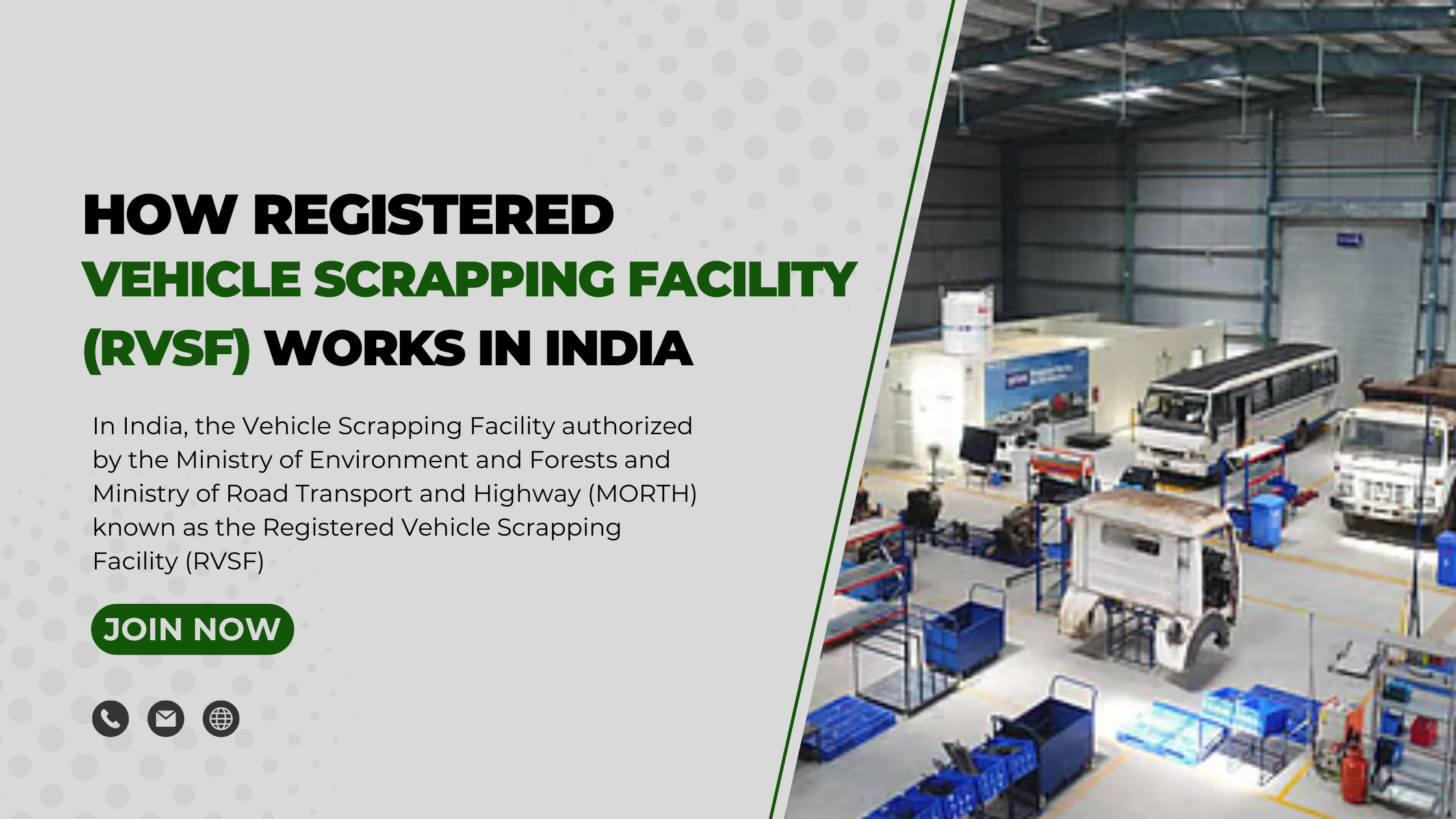
How Registered Vehicle Scrapping Facility (RVSF) works in India
Read More
What EPR E waste Management rules says
Read More
What Tyre Waste Management Rules Says
Read More
What is EPR Battery
Read More