
- Consent
from PCB
- Annual
Return Filing
- Complete Documentations
- Company
Registration
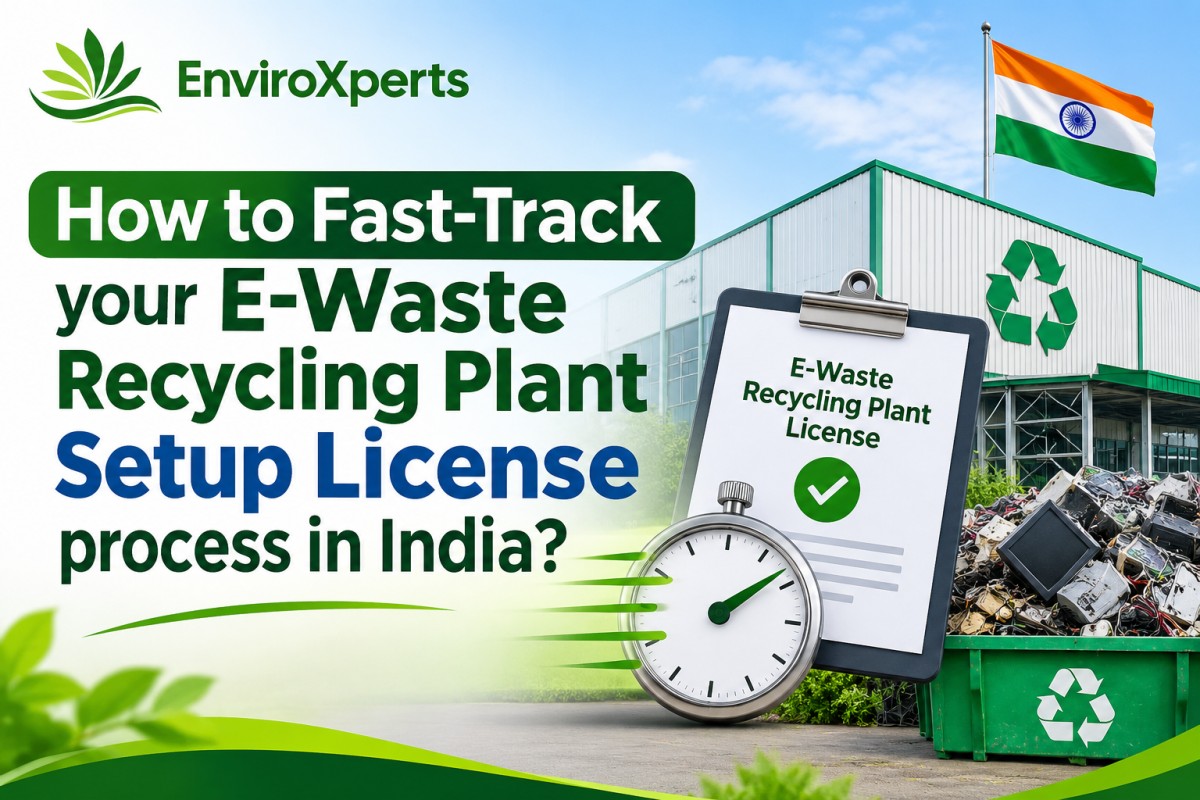
India is going through a phase of rapid economic development, but this development is coming at the cost of environmental degradation. This environmental damage is caused by the constant piling up of e-waste like computer parts, PCBs, keyboards, cables, connectors, consumer electronics, etc. Businesses with a valid E-waste recycling plant setup license in India can start their recycling facilities and reduce the e-waste burden on the environment.
In India, we have a well-regulated legal framework for setting up an e-waste recycling facility. E-waste recycling approvals are managed under the E-Waste (Management) Rules, 2022. Producers, importers, manufacturing industries, legal organisations, and recyclers must comply with the established government e-waste rules and guidelines to start their operations.
Types of E-waste for recycling purposes:
There are different types of e-waste, and proper disposal of each type is necessary to sustainably manage the heaps of e-waste. Here are some of the most common types of e-waste:
Common Electronics items: These are daily-use electronic items that take up a small space. The list includes smartphones, tablets, cameras, headphones, electronic earbuds, portable medical devices, and electronic toys.
Consumer electronics items: E-waste generated from high-end electronics articles like TV sets, refrigerators, washing machines, air conditioners, and other home appliances.
Computer parts: Computer equipment like Laptops, desktops, keyboards, mice, and printers also contribute to e-waste when they become old.
Kitchen Appliances: Toasters, microwaves, blenders, and similar devices are common in e-waste landfills.
Electronic lights: Items like LED bulbs, lamps, and fluorescent lights also contribute to e-waste.
Used Batteries: From single-use batteries to rechargeable ones, they are a growing part of electronic waste.
Benefits of efficient e-waste recycling:
Recycling the large volumes of e-waste generated can prevent environmental degradation and allow PIBOs to fulfil their EPR compliance.
- Recover valuable materials and use them as secondary raw materials
- Cost-efficient method
- Prevent environmental degradation
- Help to preserve natural metal reserves
- Prevent improper handling of hazardous components
- Recover and reuse rare metals in other industries
- Boosts circular economy and improves ROI
How to register for E-Waste recycling plant setup?
E-waste recycling plant setup must comply with the E-Waste (Management) Rules, 2022, along with applicable guidelines of the Central Pollution Control Board (CPCB). Registrations must be done only through the CPCB online portal.
Recyclers planning to start an e-waste recycling facility must obtain the authorisations from the concerned State Pollution Control Board (SPCB) or Pollution Control Committee (PCC). Proper registration ensures that recycling activities follow prescribed environmental standards, material recovery requirements, and waste management procedures.
Documents Required for E-Waste Recycling Plant Setup
Businesses must complete the documentation process before online registration application. Here is the list of documents:
- Company Registration
- CPCB Authorisation
- EPR Authorisation
- GST Registration
- Factory License
- Labour Law Registrations
- Machinery compliance
- Layout compliance
- Consent to operate (CTO)
- Consent to establish (CTE issued by the concerned SPCB)
Businesses can contact experts from EnviroXperts advisory services and get end-to-end assistance in acquiring an e-waste recycling plant setup license in India.
How to register on the CPCB online portal?
Businesses applying for the recycling license must comply with the documentation requirements as mentioned in the E-waste management rules.
Main steps in the CPCB E-Waste recycling registration process
- Documentation: Get all the necessary papers such as the company’s incorporation documents, documents of land ownership or lease, and technical process details.
- Plant setup details: Recyclers must mention the details of machines used in the recycling process, pollution control devices, waste handling capacity of the plant, and all the safety measures
- Submit your form online: After entering the complete information, applicants must submit through the CPCB e-waste EPR portal. It is a centralised portal.
- Application evaluation: After successful submission, CPCB will examine the application and verify the plant setups as per the national standards.
- Issuance of approval: After the successful verification, CPCB issues an E-Waste recycling registration certificate.
Conclusion:
With rising technology, there is an exponential rise in electronics equipment https://www.enviroxperts.com/consumption. Extracting reusable components and precious metals from the E-waste generated from these items can significantly reduce the rising cost of manufacturing. An e-waste recycling plant can reduce environmental pollution and control the cost of manufacturing new Electronics products. Startups and businesses preparing to enter the recycling sector find it difficult to understand the complex documentation and compliance process. Enviroxperts provides complete assistance with CPCB registration, applicable SPCB approvals, documentation, and e-waste recycling plant setup.
Related Blogs
Who are Enviroxperts and How They Help Businesses with Environmental Compliances?
Read More
How to Get an E-Waste License in India? A Complete Guide
Read More
Complete Guide to EPR Registration in India
Read More
How to Import Scrap Batteries in India and its Rules, License & Compliance Guide
Read More
How Registered Vehicle Scrapping Facility (RVSF) works in India
Read More
What EPR E waste Management rules says
Read More
What Tyre Waste Management Rules Says
Read More
What is EPR Battery
Read More